September 24, 1938: Don Budge Achieves the First Tennis Grand Slam
On September 24, 1938, Don Budge secured the final major title needed to complete the Grand Slam. This victory marked the last major tournament he would contest as an amateur before turning professional later that year.
The Players: Don Budge and Gene Mako
Don Budge, born in California in 1915, developed a powerful serve that propelled him to the top of the sport. He joined the U.S. Davis Cup team in 1933. Initially challenged by grass courts after growing up on California's hard surfaces, Budge eventually mastered them, winning Wimbledon in 1937 against Gottfried von Cramm. Their rivalry continued, notably in a Davis Cup match where Hitler reportedly called von Cramm before the tie. Budge also defeated von Cramm in the 1937 U.S. Nationals final.
In 1938, Budge continued his dominance, winning the Australian Championships, Roland-Garros, and Wimbledon. He was the undisputed world No. 1 amateur player.
Gene Mako, born in 1916, was a capable singles player but achieved greater success in doubles, with three Grand Slam titles to his name.
The Venue
The U.S. National Championships, later known as the U.S. Nationals, was established in 1881. Originally held at the Newport Casino in Rhode Island, the tournament moved to New York in 1915, taking place at the West Side Tennis Club in Forest Hills. Brief exceptions saw the event held in Philadelphia from 1921 to 1923.
The Achievement
At the start of the 1938 U.S. Nationals, Budge was positioned to become only the second player in tennis history to achieve the Grand Slam. The term itself had first been applied to tennis in 1933 when Australian Jack Crawford neared the feat but was ultimately defeated by Fred Perry in the U.S. Nationals final.
Budge had comfortably won the first three majors of 1938 in straight sets. A New York Times journalist noted his consistent wins made his matches less captivating. His primary rival, Von Cramm, had been imprisoned by the Nazis, and no other amateur seemed capable of challenging Budge.
This final against his doubles partner, Gene Mako, confirmed Budge's supremacy. Despite a temporary lapse in concentration that cost him the second set after leading 6-3, 5-2, Budge regrouped to win the final sets decisively, 6-2, 6-1.
Budge had made history as the first player to complete the Grand Slam. His next step was to prove his mettle against professional players.
What Happened Next?
Budge turned professional at the end of 1938. In his first professional match in January 1939, he defeated Ellsworth Vines before a crowd of 16,000 spectators. Budge also dominated a series of matches against Fred Perry, winning 28 out of 36 encounters.
"I was the amateur champion for two years and then the pro champion for many years after that," Budge was quoted as saying. "There was no one who could beat me. Just think of how many more Wimbledons I could have won."
Only one other man, Rod Laver of Australia, has achieved the Grand Slam in men's tennis history. Laver accomplished the feat twice: once as an amateur in 1962 and again as a professional in 1969, after the Open Era began.
Translation
On September 24, 1938, Don Budge secured the final major title needed to complete the Grand Slam. This victory marked the last major tournament he would contest as an amateur before turning professional later that year.
The Players: Don Budge and Gene Mako
Don Budge, born in California in 1915, developed a powerful serve that propelled him to the top of the sport. He joined the U.S. Davis Cup team in 1933. Initially challenged by grass courts after growing up on California's hard surfaces, Budge eventually mastered them, winning Wimbledon in 1937 against Gottfried von Cramm. Their rivalry continued, notably in a Davis Cup match where Hitler reportedly called von Cramm before the tie. Budge also defeated von Cramm in the 1937 U.S. Nationals final.
In 1938, Budge continued his dominance, winning the Australian Championships, Roland-Garros, and Wimbledon. He was the undisputed world No. 1 amateur player.
Gene Mako, born in 1916, was a capable singles player but achieved greater success in doubles, with three Grand Slam titles to his name.
The Venue
The U.S. National Championships, later known as the U.S. Nationals, was established in 1881. Originally held at the Newport Casino in Rhode Island, the tournament moved to New York in 1915, taking place at the West Side Tennis Club in Forest Hills. Brief exceptions saw the event held in Philadelphia from 1921 to 1923.
The Achievement
At the start of the 1938 U.S. Nationals, Budge was positioned to become only the second player in tennis history to achieve the Grand Slam. The term itself had first been applied to tennis in 1933 when Australian Jack Crawford neared the feat but was ultimately defeated by Fred Perry in the U.S. Nationals final.
Budge had comfortably won the first three majors of 1938 in straight sets. A New York Times journalist noted his consistent wins made his matches less captivating. His primary rival, Von Cramm, had been imprisoned by the Nazis, and no other amateur seemed capable of challenging Budge.
This final against his doubles partner, Gene Mako, confirmed Budge's supremacy. Despite a temporary lapse in concentration that cost him the second set after leading 6-3, 5-2, Budge regrouped to win the final sets decisively, 6-2, 6-1.
Budge had made history as the first player to complete the Grand Slam. His next step was to prove his mettle against professional players.
What Happened Next?
Budge turned professional at the end of 1938. In his first professional match in January 1939, he defeated Ellsworth Vines before a crowd of 16,000 spectators. Budge also dominated a series of matches against Fred Perry, winning 28 out of 36 encounters.
"I was the amateur champion for two years and then the pro champion for many years after that," Budge was quoted as saying. "There was no one who could beat me. Just think of how many more Wimbledons I could have won."
Only one other man, Rod Laver of Australia, has achieved the Grand Slam in men's tennis history. Laver accomplished the feat twice: once as an amateur in 1962 and again as a professional in 1969, after the Open Era began.
Fresh materials — Tennis news
September 23, 1989: Aaron Krickstein's "Marathon Man" Comeback in Los Angeles
Aaron Krickstein, then ranked world No. 16, showcased his "Marathon Man" resilience on September 23, 1989. He achieved a remarkable comeback against Michael Chang in the Los Angeles final, winning 2-6, 6-4, 6-2 after trailing 6-2, 4-1. This victory solidified his reputation.
Podoroska Reaches First Career Final After Upsetting Second Seed Badosa
Nadia Podoroska defeated second seed Paula Badosa 6-3, 6-4 on Saturday evening. The win sends the Argentinian, 29, ranked No. 449, into her first WTA singles final. Podoroska had previously lost all four of her WTA semifinals. Her last semifinal appearance was in Ningbo in 2023. She missed muc
Nadal to Play Exhibition at His Academy Next Month
Rafael Nadal is set to return to the court for exhibition matches at his tennis academy next month. This will be his first public appearance since he retired from professional tennis in November 2024. The Rafa Nadal Academy announced on Wednesday that the 22-time Grand Slam champion will part
September 15, 1971: The US Open Final Achieved Its First Tiebreak
Stan Smith: The American Who Was Once Rejected as a Ball Kid Born in Southern California in 1946, Stan Smith's tennis journey began with an early setback. He was turned down for a ball boy position at the Davis Cup due to perceived clumsiness. Despite this, Smith went on to pl
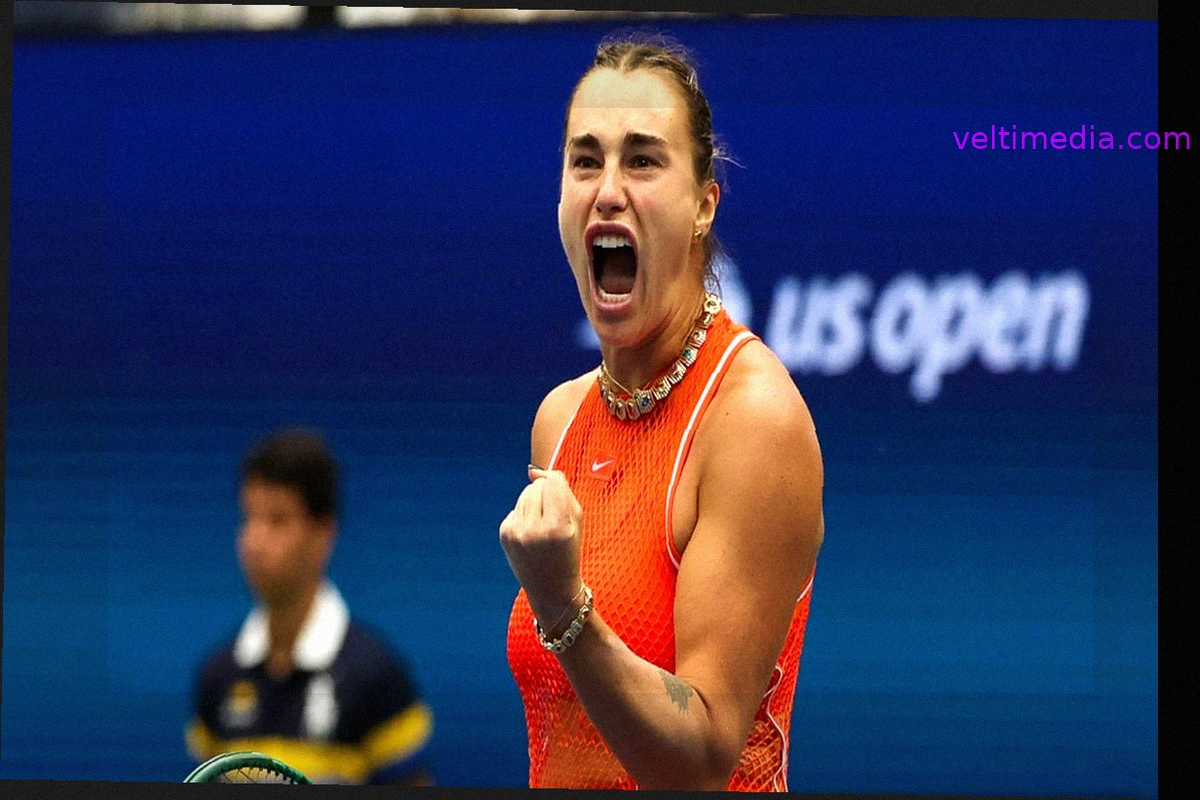
Sabalenka's Unbelievable Turnaround Secures Sixth Consecutive US Open Semifinal Spot
In a stunning display of resilience, Aryna Sabalenka found herself on the brink of defeat in the third set, only to clinch victory with a decisive ace on a second serve. The top-seeded Belarusian player battled past the resilient Czech No. 6 seed, Linda Noskova, with a final score of 7-6 (1),
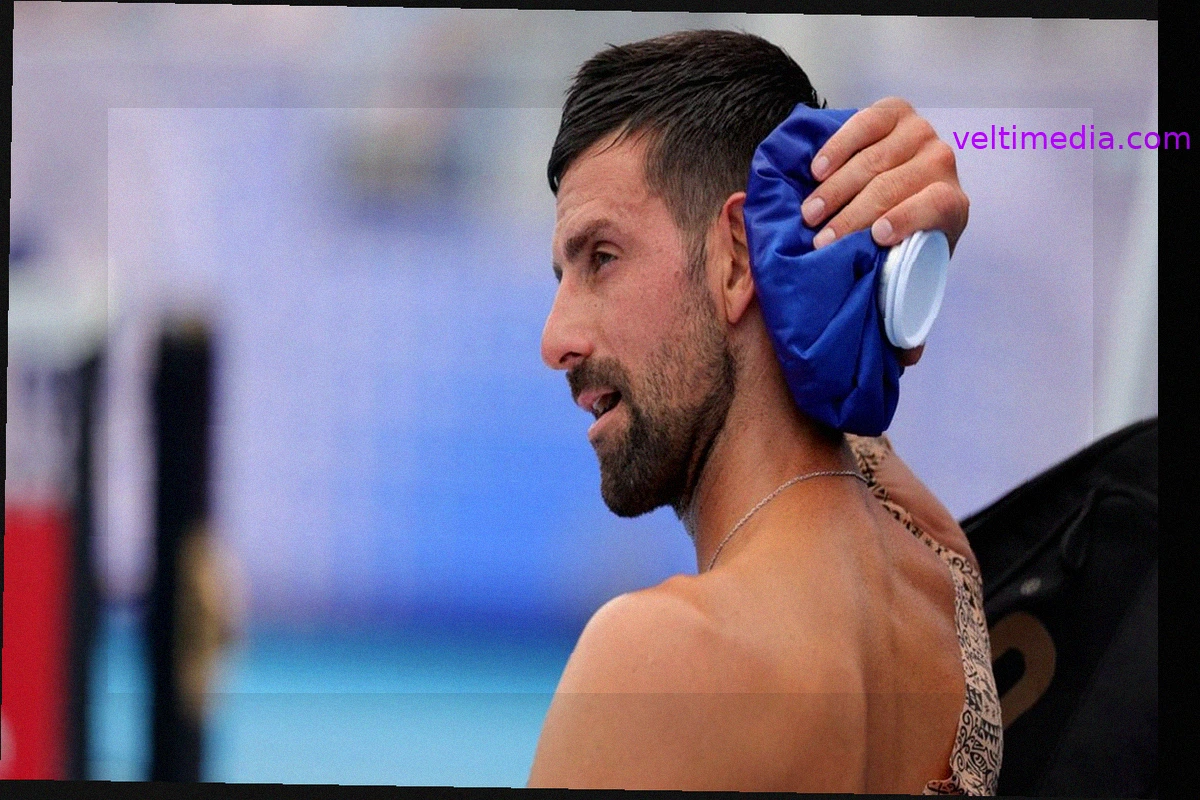
Djokovic Reveals Long-Term Health Issue Led to Cincinnati Exit, Hints at Last Appearance
Novak Djokovic has admitted that a persistent health issue, which has troubled him for several years, was the primary reason for his withdrawal from the Cincinnati tournament. He explained that the problem is particularly aggravated by high humidity and heat, making the already challenging cond