U.S. Golf Teams: A Tale of Two Cups
American golfers face a curious dilemma: unparalleled success at the Presidents Cup contrasts sharply with recent struggles in the Ryder Cup. The formats are identical—12 U.S. professionals against either European or International rivals in match play. Yet, over the last seven Presidents Cups, the U.S. has dominated the International team (0-7), while in the Ryder Cup, Europe holds a commanding 5-2 advantage in the same period.
Player talent, naturally, is a significant factor. Examining world rankings across recent Ryder and Presidents Cups reveals a consistent U.S. advantage. For example, in the 2021 Ryder Cup, the U.S. averaged a ranking of 8.9, far ahead of Europe's 30.8. Similarly, the 2022 Presidents Cup saw the U.S. averaging 11.6 against the International team's 48.9. While U.S. players consistently rank higher, the gap between the U.S. and European teams (averaging 16.2) appears smaller than the gap with the International team (averaging 32.75), suggesting this might not be the sole determinant.
Experience also plays a role. Professional match play and team events are infrequent, making prior experience valuable. The U.S. competes in a team event annually, while European and International teams play biennially. However, data suggests European and International teams have often featured players with more prior cup appearances. For instance, in the 2022 Presidents Cup, the International team averaged 1.25 previous appearances per player, slightly more than the U.S. team's 0.75.
The emergence of LIV Golf introduces another layer of complexity. LIV players compete in the Ryder Cup but are excluded from the Presidents Cup, which is managed solely by the PGA Tour. This exclusion means teams like the International side miss key talent, such as Cameron Smith and Joaquin Niemann, while the U.S. side is also impacted by the absence of players like Bryson DeChambeau.
Course setup is another strategic element. Teams often tailor courses to their strengths, with Europeans at recent Ryder Cups favoring tighter fairways and longer rough. However, weather can disrupt these plans, as seen when rain softened a course at Bethpage Black, negating the U.S. team's strategic adjustments. As U.S. captain Brandt Snedeker noted, while captains set parameters, "mother nature throws a wrench in it."
Captaincy styles and strategies are also under scrutiny. European captain Luke Donald has been praised for his meticulous attention to detail, from team amenities to schedule management. In contrast, U.S. captains have faced criticism for lineup decisions, a stark contrast to Donald's largely unassailed choices in recent Ryder Cups.
Analytics are increasingly influencing team composition and strategy. Europe, with figures like Edoardo Molinari, has led the way. While the U.S. is building its analytics team, Snedeker emphasizes a balanced approach: "Stats are great in 10,000-round models. We’re playing an 18-hole match... You’ve got to trust your eyes, got to trust your gut."
Selection systems also differ. The U.S. is revising its Ryder Cup selection criteria for 2027, focusing solely on that year's play, unlike the Europeans and U.S. Presidents Cup teams which incorporate both current and previous years' events. The International team relies on world rankings.
Finally, the intangible "vibe" or team cohesion cannot be discounted. Reports have highlighted discussions about player compensation within the U.S. team, while the International team has openly admired and sought to emulate the strong unity of the European team. Ryan Fox of the International team commented on the desire to achieve a similar collective goal and buy-in that fuels European success.
Ultimately, as Snedeker suggests, the answer likely lies in a confluence of factors: "Every team is different. The makeup of every team is different. The bonding in every team is different." The U.S. team's success across these different dynamics remains a complex puzzle, with "one hundred (or so) reasons" likely contributing to the paradoxical outcomes.
Fresh materials — Golf news
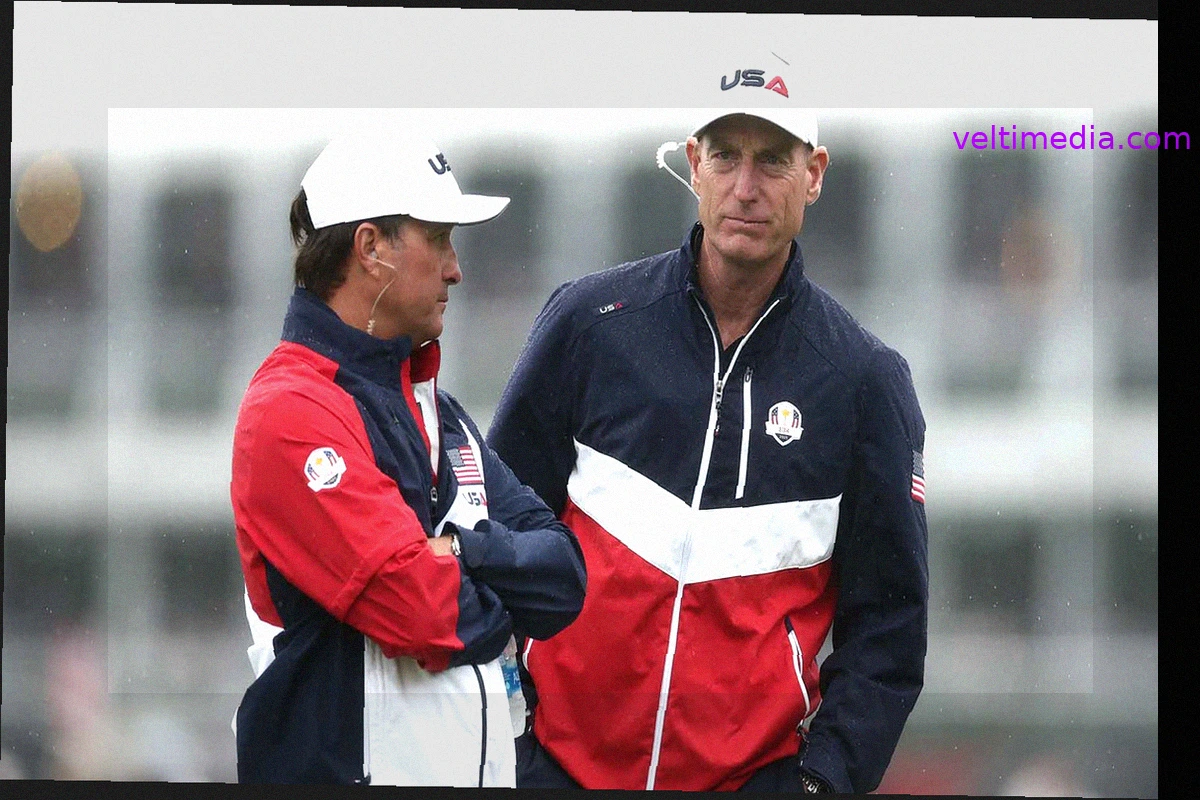
Ex-pros on U.S. Team Golf: 'Overblown, Overdone, and Overanalyzed'
Rocco Mediate, reflecting on his Ryder Cup prospects, admits his chances ended with Tiger Woods' 2008 U.S. Open victory. He never played for the U.S. team and jokes he would have been "the antichrist" if he had. Mediate, with over three decades of professional golf experience a

Jacob Bridgeman Secures Second Season Win with New TaylorMade Driver
Jacob Bridgeman achieved his second PGA Tour victory this season at the Biltmore Championship in Asheville, N.C., shortly before his first Presidents Cup appearance. While his equipment largely remains consistent since his February win at the Genesis Invitational, notable changes are present a

Elvira's Dramatic Collapse at BMW PGA Championship Costs First Pro Win
Manuel Elvira's final moments at the 2026 BMW PGA Championship vividly illustrate the extreme highs and devastating lows of professional golf. Elvira was in contention at Wentworth, a flagship event on the DP World Tour, with a strong leaderboard and a field including top players like Rory McI
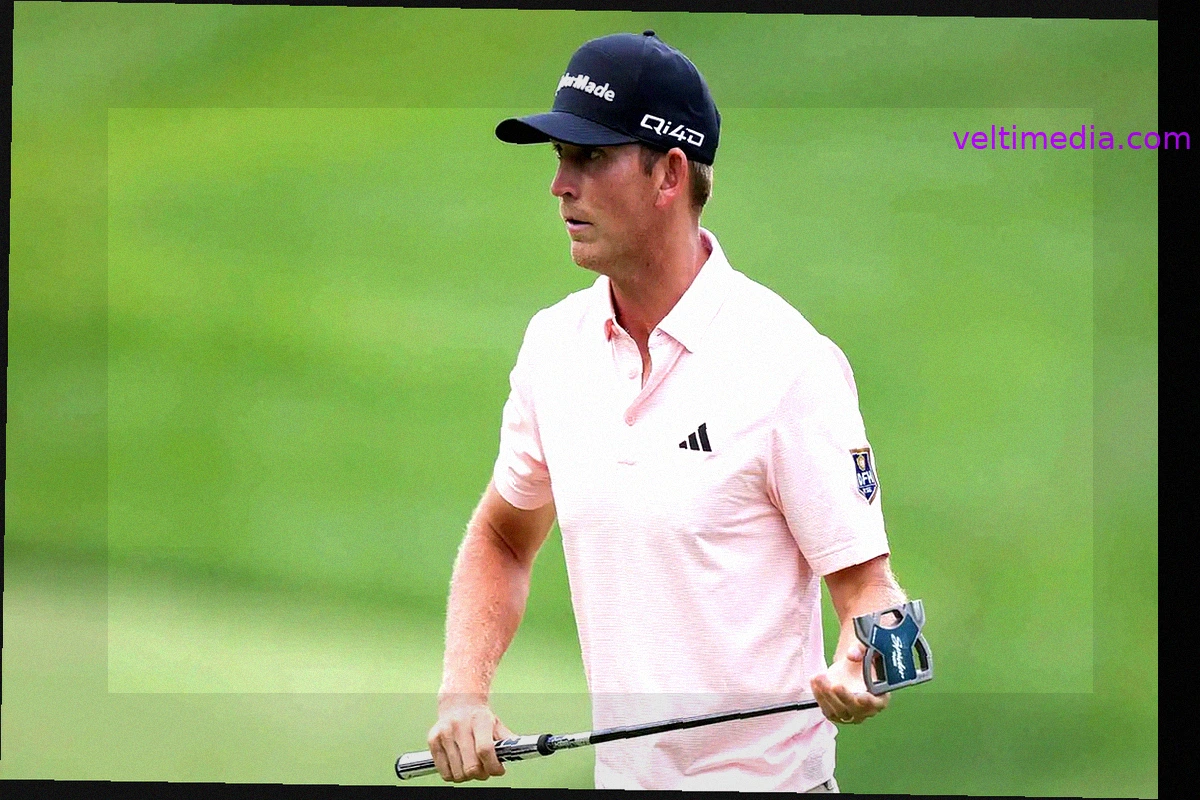
2026 Biltmore Championship: Player Earnings in Asheville
The 2026 FedEx Cup Fall season kicked off in Asheville, North Carolina, with the inaugural Biltmore Championship. Pros tackled The Cliffs at Walnut Cove, a course that yielded a flurry of birdies and a tightly contested leaderboard on Sunday. Neal Shipley and Ben Kohles led heading into t
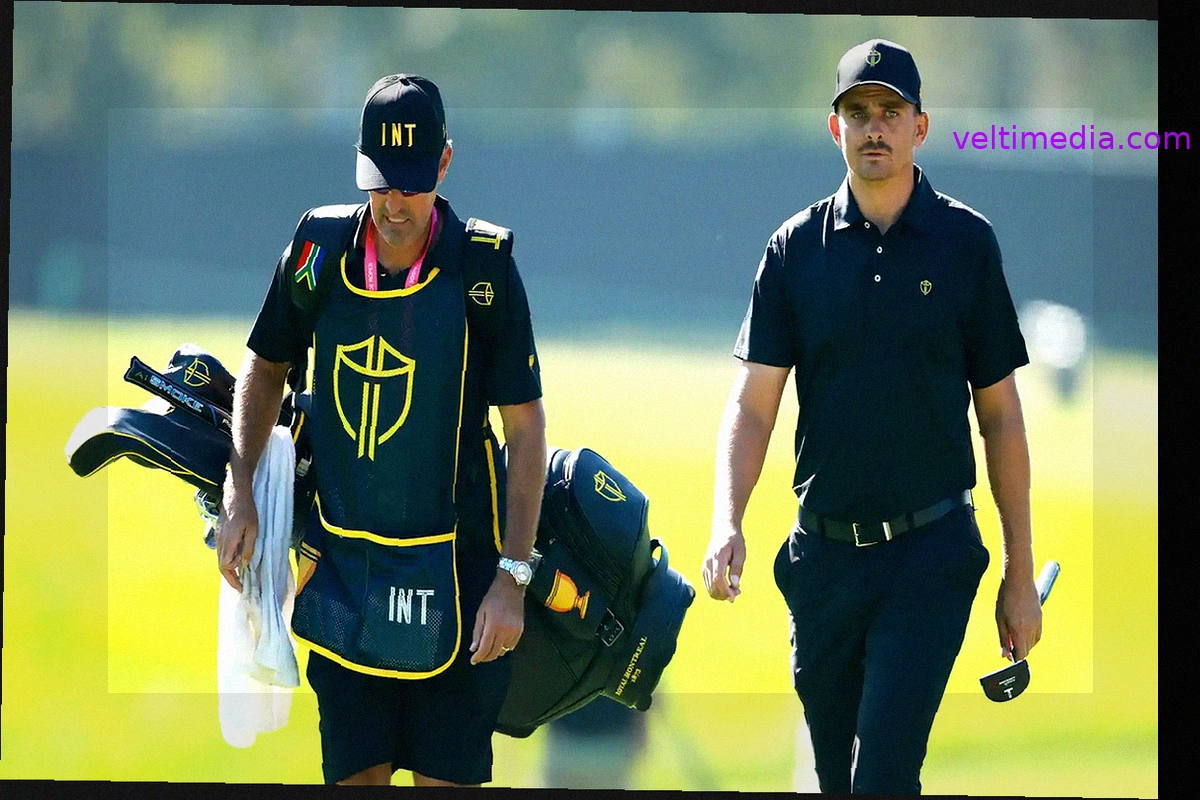
Presidents Cup Pairings: Inside the Decision-Making Process
Following recent team events like the Walker Cup and Solheim Cup, golf fans anticipate the Presidents Cup. Despite a historical imbalance, this biennial team competition remains compelling. This year, Brandt Snedeker captains the U.S. Team against Geoff Ogilvy's International s
Si Woo Kim's Unique Players Championship Story Revealed by Presidents Cup Teammate
Si Woo Kim, heading into his fourth Presidents Cup, is expected to be a key player for the International Team against the favored Americans at Medinah. Kim holds a 6-5 record from his previous three appearances and is currently playing his best golf, having achieved 11 top-10 finishes