Understanding UFC Fight Outcomes and Betting Markets
Betting on mixed martial arts, particularly the UFC, involves understanding unique rules and terminology that differ significantly from traditional team sports. This is largely due to the multifaceted ways a contest can conclude. For general guidance on how betting markets are structured in combat sports and other categories, resources offering odds data and betting guides are available.
To effectively navigate UFC sports betting, it's crucial to grasp how a fight can end. This includes finishes within the scheduled rounds or a victory determined by judges' scorecards after all rounds are completed. Questions about how a fighter wins by points in the UFC and the overall decision-making process in a UFC fight are directly linked to the judges' scoring system and the various methods of victory that are tracked in UFC wagering markets.
How is a UFC Fight Decided?
A UFC fight can conclude in several distinct ways, each carrying significance for betting markets that focus on the method of victory. A fight ends in a "finish" when one fighter is rendered unable to continue, whether by knockout (KO), technical knockout (TKO) stopped by the referee, or submission (tap-out). If neither fighter achieves a finish before the fight reaches its scheduled duration, the outcome is decided by the scorecards of three ringside judges.
Judges evaluate each round independently using the ten-point must system, a scoring methodology adopted from boxing. In this system, the winner of a round typically receives ten points, while the losing fighter receives nine points or fewer, depending on the dominance of the round. A round with significant damage or control, approaching a shutout, might be scored 10-8. A closely contested round is generally scored 10-9 in favor of the fighter who exhibited superior performance during that five-minute period.
Common Ways a UFC Fight Can End
- Knockout (KO): A fighter is unable to continue due to a direct strike.
- Technical Knockout (TKO): The referee stops the fight because one fighter cannot intelligently defend themselves.
- Submission: A fighter taps out or verbally concedes due to a hold or strike sequence.
- Decision: Judges' scorecards determine the winner after all scheduled rounds are completed.
- Draw: Judges' scorecards are split or tied, resulting in no official winner.
What Judges Look For When Scoring a Round
Judges consider several criteria when assigning scores to a round, with effective striking and effective grappling generally being the primary factors. Effective striking refers to significant, clean strikes that visibly impact an opponent. Effective grappling encompasses successful takedowns, control of the dominant position on the ground, and progress towards a finishing attempt, such as a submission.
Octagon control, which relates to which fighter dictates the pace and location of the fight (whether standing or on the ground), is another factor judges weigh. Aggression and defense are considered as tie-breaking factors when the first two categories appear relatively even between both fighters for a given round.
Due to potential variations in how judges weigh each criterion, split decisions are common in the sport. A split decision occurs when two judges score the fight for one fighter, while the third judge scores it for their opponent. In contrast, a unanimous decision happens when all three judges agree on the same winner for the entire fight.
How Do You Win by Points in the UFC?
Winning by points in the UFC means securing victory via the judges' scorecards, rather than finishing an opponent before the scheduled time. A fighter can win by points through a unanimous decision, a split decision, or a majority decision, each reflecting a different level of consensus among the judges.
A unanimous decision is rendered when all three judges score the fight in favor of the same fighter. A split decision occurs when two judges favor one fighter, and the third judge favors their opponent. A majority decision is reached when two judges favor the same fighter, and the third judge scores the fight as an even draw.
Winning by points often becomes the deciding factor in closely contested fights between durable fighters who avoid finishing sequences, or in bouts where a dominant grappler controls an opponent on the ground for extended periods without achieving a submission. A fighter with strong takedown ability and ground control frequently wins rounds on the judges' scorecards, even without landing significant strikes, as effective grappling carries substantial weight in round scoring.
Types of Decision Outcomes
- Unanimous Decision: All three judges score for the same fighter.
- Split Decision: Two judges favor one fighter, and one judge favors the other.
- Majority Decision: Two judges favor one fighter, and one judge scores a draw.
- Majority Draw: Two judges score a draw, and one judge favors a fighter.
- Split Draw: Judges are split across a win, a loss, and a draw.
How Method of Victory Shapes a UFC Sportsbet
UFC sports betting often includes a "method of victory" market alongside the standard moneyline. This allows wagers to be placed on how a fight will conclude, rather than just on which fighter will win. Common method-of-victory options include a win by knockout/technical knockout, a win by submission, and a win by decision, each with varying odds influenced by the fighters' styles and tendencies.
A fighter known for powerful striking and a history of finishes will typically have shorter odds for a knockout-specific method of victory. Conversely, a fighter with a strong grappling background might have shorter odds in a submission-specific market. A UFC sports bet centered on the method of victory requires careful consideration of each fighter's historical finishing rate, as a fighter who rarely finishes opponents naturally shifts the probability towards a decision outcome, regardless of who ultimately wins the fight.
Round betting markets add another dimension to UFC sports betting, allowing wagers on the specific round in which a fight will end if it concludes before the scheduled distance. These markets combine analysis of finishing methods with fighter pacing tendencies, as some fighters consistently finish opponents early, while others tend to wear down their opponents over several rounds before securing a finish.
Common UFC Sportsbet Market Types
| Market | Description |
|---|---|
| Moneyline | Wager on which fighter will win the bout. |
| Method of Victory | Wager on how the fight will end. |
| Round Betting | Wager on which round the fight will end. |
| Over/Under Rounds | Wager on whether the fight will go over or under a set number of rounds. |
| Fight to Go the Distance | Wager on whether the bout will reach a decision. |
Why Understanding Scoring Matters for UFC Wagering
Because judges' scoring can vary based on differing interpretations of close rounds, decisions in the UFC occasionally lead to controversy, particularly in fights where effective striking and grappling appear evenly matched. This variability is a key reason why method-of-victory and round-betting markets necessitate careful consideration of each fighter's tendencies, rather than relying solely on overall win probability.
A fighter capable of controlling a bout through grappling without securing a finish presents a different risk profile for UFC sports betting compared to a fighter known for aggressively seeking finishes in every round. Recognizing these tendencies, along with a fundamental understanding of the ten-point must system, provides valuable context for interpreting odds across method-of-victory and decision-related markets.
Summary
A UFC fight can conclude via a finish—knockout, technical knockout, or submission—or through a judges' decision after all scheduled rounds are completed under the ten-point must system. Winning by points in the UFC occurs through a unanimous, split, or majority decision, depending on the level of agreement among the three judges. UFC sports betting often features method-of-victory and round-betting markets alongside the standard moneyline, requiring an understanding of both scoring criteria and individual fighter tendencies to effectively interpret how these markets are priced.
Fresh materials — PFL news

Solomon Renfro Arrested for Alleged Assault in New York
New York-based mixed martial artist Solomon Renfro, 29, was apprehended on Sunday after reportedly assaulting a 22-year-old woman. Police responded to a call at 47 Madison Street in Chinatown early Sunday morning, finding the victim with visible injuries including scratches and bruises on her c
Jake Hager Injured in Power Slap Match
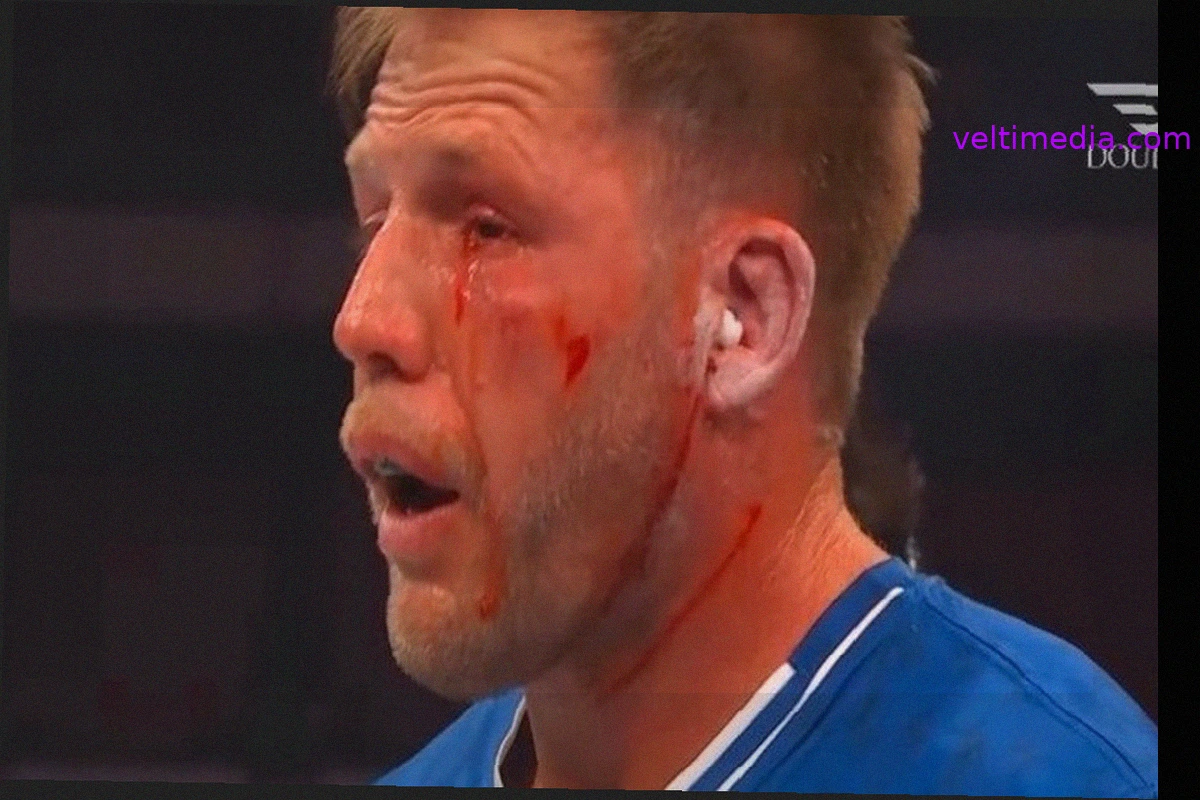
Professional wrestler and MMA fighter Jake Hager sustained an eye injury during his appearance at Power Slap 23 on September 17. The incident highlights the physical risks involved in the slap-fighting competition. Hager, known to wrestling fans from WWE (as Jack Swagger) and All Elite Wr
UFC 331: Van vs. Pantoja 2 - Full Fight Results
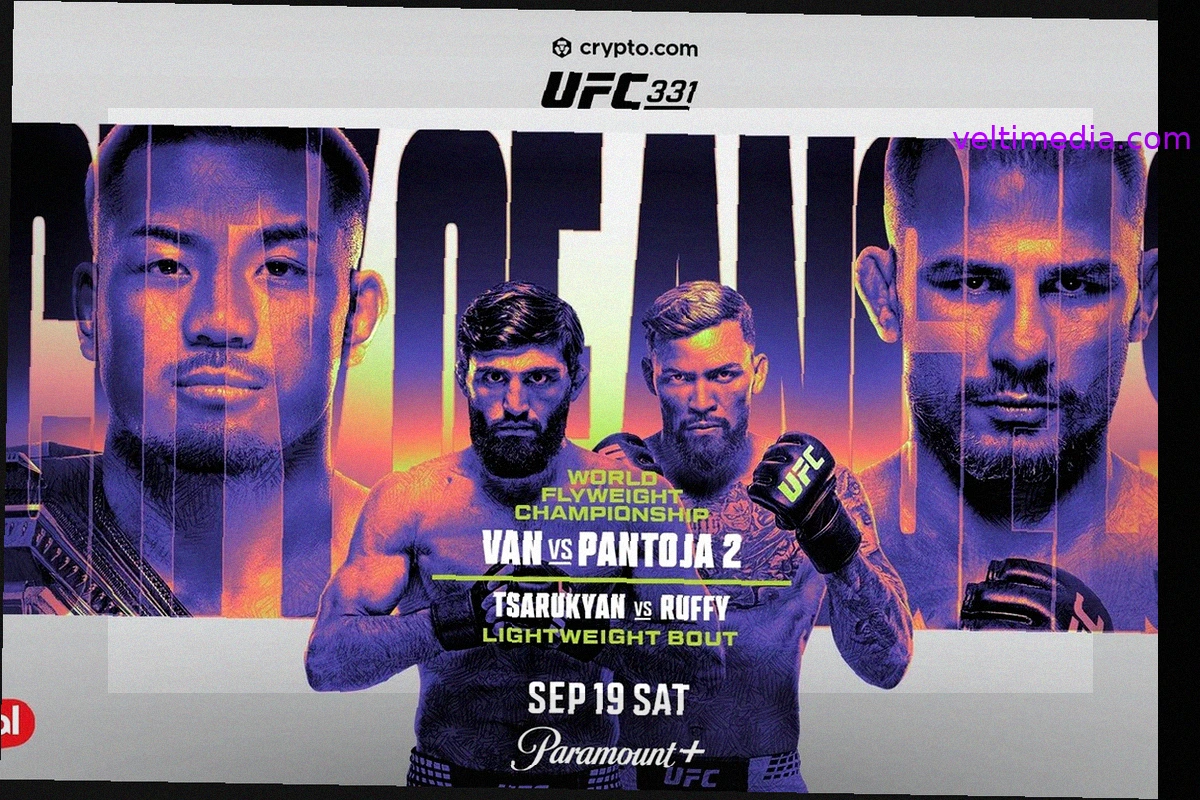
UFC 331 unfolded at the Crypto.com Arena in Los Angeles. The September 19 main event featured UFC flyweight champion Joshua Van defending his belt against former champion Alexandre Pantoja in a rematch that fight fans eagerly awaited. Pantoja lost his title to Van in December 2025 due to an ar
Ray Lewis in Talks with Real American Freestyle Wrestling
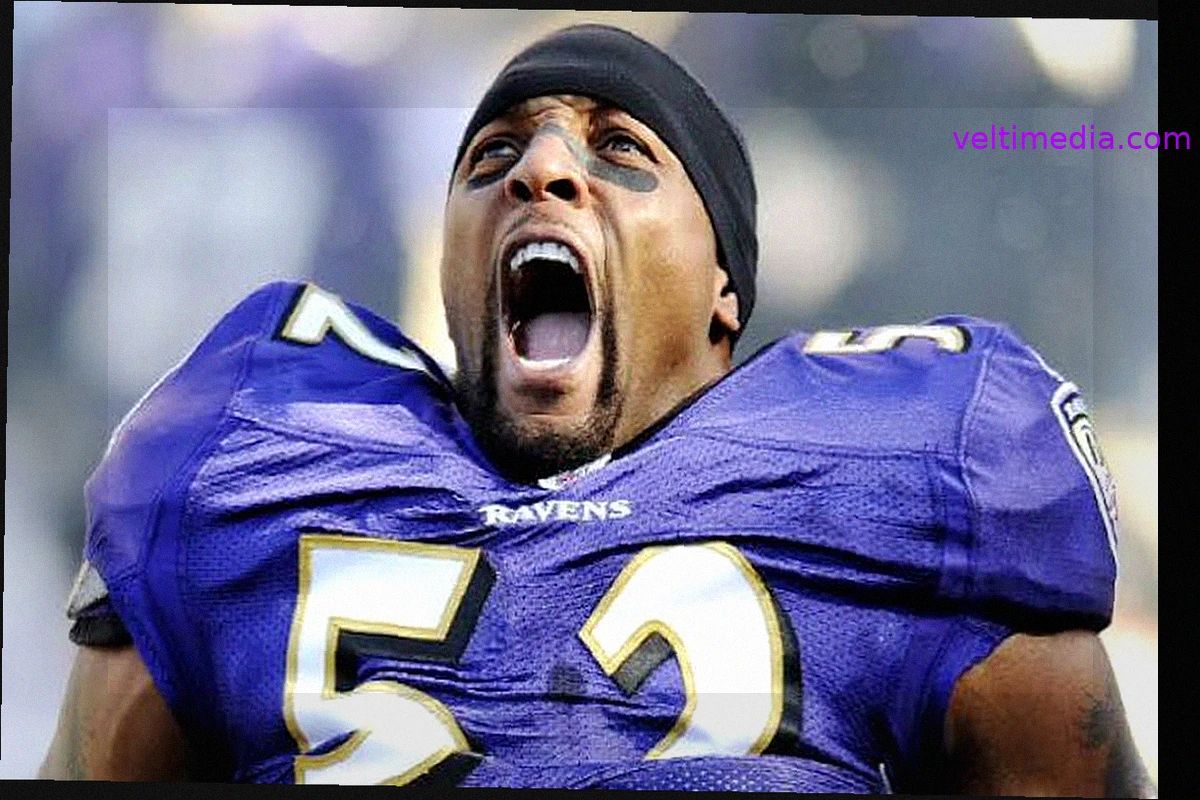
NFL Hall of Fame linebacker Ray Lewis is reportedly in talks to compete with Real American Freestyle (RAF) Wrestling. The report comes from MMA Fighting. Lewis, 51 and retired from the NFL after a 17-season career with the Baltimore Ravens, could compete before the end of 2026, according

Ozzy Martin on Sal Everett: "I'll Elbow His Skull Into The Canvas"
Ozzy Martin (4-0) discusses his upcoming welterweight fight against Sal Everett (4-0) at DWCS on October 6th. Martin shared details on how the fight was made, his training camp with Calvin Kattar, and his expectations for the bout. "I believe I'll make a significant name for myself. Peopl
PBA Standings: How Rankings, Tiebreakers, and Playoff Seeding Work
PBA standings reflect team performance within a specific conference, not a continuous league season. Each conference resets its standings, qualification lines, and playoff brackets independently. A strong record in one conference doesn't carry over to the next. Understanding the format fo