PBA Standings: How Rankings, Tiebreakers, and Playoff Seeding Work
PBA standings reflect team performance within a specific conference, not a continuous league season. Each conference resets its standings, qualification lines, and playoff brackets independently. A strong record in one conference doesn't carry over to the next.
Understanding the format for each conference is crucial. While a standings page shows current team positions, the published format details what those positions mean for playoffs and advancement. Without this context, a seed might appear to offer more security than it actually does.
Winning Percentage Drives Initial Rankings
Key columns in the standings include games played, wins, losses, and winning percentage. Winning percentage is calculated by dividing wins by total games completed. A team with a 7-3 record has a .700 winning percentage, while a 5-2 team sits at .714, even with fewer wins, due to having played fewer games.
Uneven game schedules mean raw win totals can be misleading during a conference. Factors like games played, team rest, and the strength of opponents are important considerations. A temporary ranking shouldn't be mistaken for a long-term probability.
Interpreting Standings: A Hypothetical Example
| Team | W-L | PCT | What the Row Indicates |
|---|---|---|---|
| Harbor | 7-3 | .700 | Ten games played, indicating a strong current position. |
| Metro | 5-2 | .714 | Higher percentage, but still needs to play three more games to match Harbor's total. |
| Central | 5-5 | .500 | An even record. Qualification depends on the cutoff line and any applicable tiebreakers. |
The standings don't account for schedule difficulty, player absences, or whether recent wins were against weaker opponents. These details require consulting game logs and availability reports. Standings offer an order, but not a complete assessment of team quality.
The Qualification Line Varies by Conference Format
The advancement criteria differ between conferences. For instance, in the Season 50 Philippine Cup, the top eight teams advanced from a single round robin, with the top four receiving a twice-to-beat advantage in the quarterfinals. Semifinals and finals were best-of-seven series.
This structure is not universal. The 2026 Governors’ Cup standings were presented in separate groups, with a guest team participating. Group formats can lead to crossover matchups rather than a straightforward top-eight ladder. Before determining playoff chances, one must know the current qualification rules and the remaining schedule.
Ties Require Specific Tiebreaking Procedures
Teams with identical win-loss records are subject to specific tiebreaking rules, which the league announces for each conference. For the Season 50 Philippine Cup, officials specified a quotient tiebreak and eliminated a separate playoff for the eighth seed. Quotient calculations involve scoring differences between tied teams, making it essential to check the exact rule and eligible games, rather than relying on overall point differentials.
These details can influence betting odds near the qualification line. Understanding whether a competition uses a quotient, head-to-head record, group play, or another system is important when comparing different leagues.
Playoff Brackets Start Where Standings End
PBA standings cover the elimination round. A playoff bracket then outlines series matchups and team progression after qualification. Individual statistics are tracked separately; a leading scorer does not contribute a standings point to their team.
A twice-to-beat advantage is distinct from a standard best-of-three series. The protected team needs only one win to advance, while the opponent must win twice. Best-of-five and best-of-seven formats involve repeated matchups and accumulating adjustments.
Understanding Game Probabilities is Separate from League Standings
League rankings compile wins and losses. Casino game information, on the other hand, describes mathematical design. When evaluating online casinos, focus on licensing, KYC policies, payment terms, software providers, and accessible game information, rather than drawing comparisons to sports standings.
Contextualize Form Alongside the Standings
To assess an upcoming PBA match, review recent game logs alongside the official standings. Consider factors like home-court advantage, import availability, injuries, net scoring margin, and strength of schedule, separate from the W-L record. Re-examine the conference rules: the distinction between fourth and fifth place might grant a twice-to-beat advantage or alter a crossover opponent, depending on the format.
Use the standings as an initial reference, then examine the games that shaped those results.
Fresh materials — PFL news
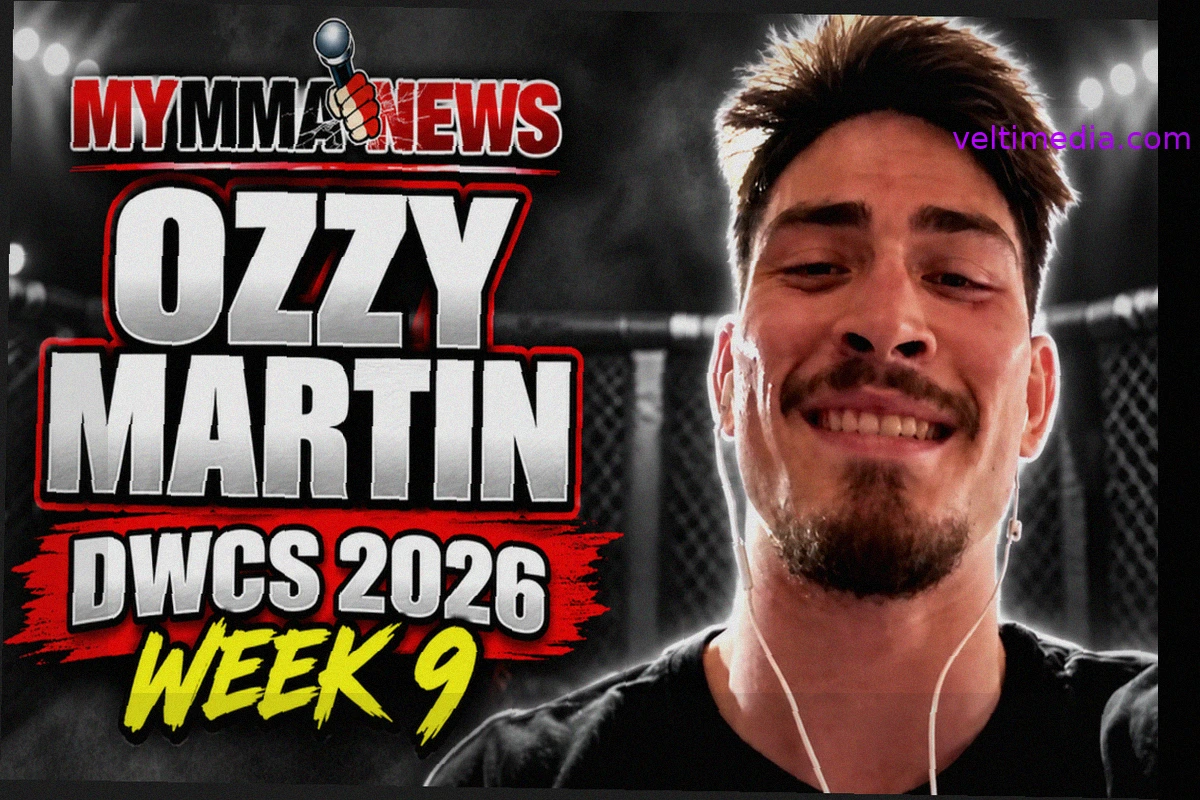
Ozzy Martin on Sal Everett: "I'll Elbow His Skull Into The Canvas"
Ozzy Martin (4-0) discusses his upcoming welterweight fight against Sal Everett (4-0) at DWCS on October 6th. Martin shared details on how the fight was made, his training camp with Calvin Kattar, and his expectations for the bout. "I believe I'll make a significant name for myself. Peopl

GZone Promotes Balanced Entertainment Through Strategic Pusoy Play
Pusoy remains a prominent card game in the Philippines, drawing players with its focus on strategy, patience, and considered decision-making. As online engagement with the game grows, GZone is emphasizing the importance of balanced entertainment by combining educational resources with responsi

Crypto's Rise in MMA Betting: A Shift in Fan Habits
A closer look at how MMA enthusiasts place their bets reveals a trend that took the broader sports betting world much longer to adopt. Fight fans embraced cryptocurrency early on, not primarily for ideological reasons, but due to how the sport is consumed. The typical MMA fan is young, digi
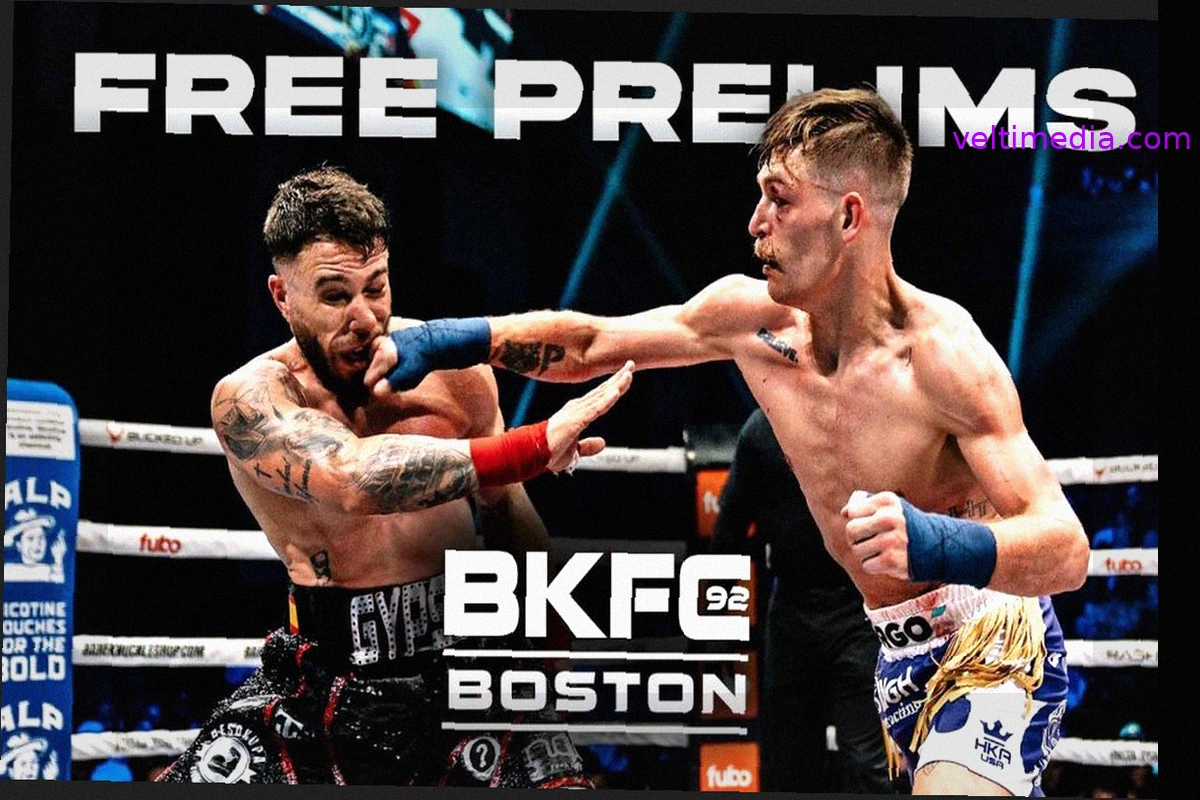
BKFC 92 Results from Fenway Park
Bare knuckle boxing returned to the iconic Fenway Park for BKFC 92, delivering a night of raw combat sports action with no gloves, just pure grit. This historic event took place at one of America's most legendary sports venues. BKFC 92 Main Card Results: Featherweight Title: C

UFC Shanghai Results: Song Yadong Delivers KO to Umar Nurmagomedov
The UFC returned to the Oriental Sports Center in Shanghai, China, for a highly anticipated bantamweight showdown between Umar Nurmagomedov and Song Yadong. The main event delivered a stunning conclusion as Song Yadong secured a knockout victory over Nurmagomedov. Fight Outcomes from UFC S

Duel Arena Results: Perry vs. Jenkins and Full Fight Night Updates
The Duel Arena event, held at the Kia Center in Orlando, Florida, delivered a night of exciting combat sports action. The main event saw "Platinum" Mike Perry face off against Brandon Jenkins, a late replacement who stepped in just two days prior to the fight due to Dillon Danis' withdrawal with a