Rod Laver's Birth: A Legend's Beginning
On August 9, 1938, tennis icon Rod Laver, nicknamed "Rocket," entered the world. Laver is uniquely distinguished in tennis history as the sole player to have achieved the calendar-year Grand Slam not once, but twice. He accomplished this incredible feat first as an amateur in 1962 and again as a professional in 1969.
The 5-foot-8-inch left-handed player also secured the Pro Grand Slam in 1967 by winning the three most prestigious professional tournaments. With a career total of 11 major titles and 200 tournament victories, Laver left an enduring legacy on the sport, not only through his accomplishments but also through his impact and renowned sportsmanship.
Born in Rockhampton, Australia, Laver's career began to flourish in 1957 with victories at the Australian and US championships. He gained significant recognition in 1959 by reaching three Wimbledon finals (singles, doubles, and mixed doubles) and contributing to Australia's Davis Cup win.
These were merely the initial highlights of Laver's amateur success. Before turning professional in 1963, he had won the Davis Cup four times, been a runner-up in five major tournaments, and claimed six Grand Slam titles. Four of these came in 1962, making him the first player since Donald Budge in 1928 to achieve the calendar-year Grand Slam.
Despite this remarkable achievement, Laver remained remarkably humble, once stating, "It was a thrill to come off the court knowing I had won all four majors in one year. But I never felt like I was the best, never felt that way. I just happened to have a good year."
In 1963, Laver turned professional. He explained his decision in an interview with the International Tennis Hall of Fame: "I won Wimbledon in 1961 and 1962 and got a 15 pound voucher and a firm handshake. I just wanted the chance to play against the best players in the world, and that’s why I turned pro, plus the financial enumerations were an important part of tennis back in those days."
Although his first professional year was challenging, losing 19 of his first 21 matches, he eventually rose to become the best on the professional tour. In 1967, just before the Open Era, Laver completed the "Pro Grand Slam," winning the season's three main professional tournaments.
With the advent of the Open Era, "Rocket" had already captured eight major professional events and was the first player to earn over a million dollars in prize money.
Laver's Dominance in the Early Open Era
The Open Era began in 1968, allowing professionals to compete alongside amateurs in Grand Slam tournaments. At the inaugural Open Era major, the 1968 French Open, Laver was defeated in the final by Ken Rosewall. However, he triumphed at Wimbledon, becoming the first Open Era champion by defeating Tony Roche.
In 1969, Laver etched his name further into tennis history by winning all four Grand Slam tournaments in the same calendar year for the second time. He defeated Andres Gimeno in Australia, exacted revenge against Ken Rosewall at Roland-Garros, beat John Newcombe at Wimbledon, and edged out Tony Roche in New York to complete his second career Grand Slam.
"Relieved, happy, and satisfied," Laver then shifted his focus to professional circuits, particularly World Championship Tennis, where he remained a dominant force in the early 1970s. His 1972 WCT finals match against Ken Rosewall garnered an impressive 20 million television viewers.
Rod Laver retired in 1977, having amassed a total of 74 titles since the start of the Open Era. In his illustrious career, "Rocket" secured 200 tournament victories, including 11 Grand Slam singles titles, six Grand Slam doubles titles, and three in mixed doubles.
Since 1969, no male player has managed to achieve a calendar-year Grand Slam. In 2019, while celebrating the 50th anniversary of his remarkable feat, Laver reflected on the ATP website: "It is amazing, when I look at the players who have competed over the past 50 years, whether it was Connors, John McEnroe, Boris Becker, Pete Sampras, or Federer, Nadal and Djokovic in today’s era. Years ago, a lot of people didn’t look at the four major tournaments as a Grand Slam. Some didn’t like going down to play in Australia in December or January. Maybe it was the circumstances that they didn’t feel the impact of what the Grand Slam was."
"But the game is bigger now, people have looked closer at historic records over the past 20 years, and it’s great that tennis celebrates its past. I’ve enjoyed my 50th anniversary celebrations," Laver added.
Despite his relatively modest height of 5-foot-8, Rod Laver played an aggressive style, frequently following his serve to the net. He possessed powerful groundstrokes, particularly on his backhand. He was a pioneer in consistently employing heavy topspin, and many experts believe he influenced subsequent generations of players like Bjorn Borg and Guillermo Vilas.
Rod Laver is still widely regarded as one of the greatest players of all time. In 2000, the main court at the Australian Open was renamed "Rod Laver Arena," and in 2017, Roger Federer established a new team competition called the "Laver Cup."
Fresh materials — Tennis news
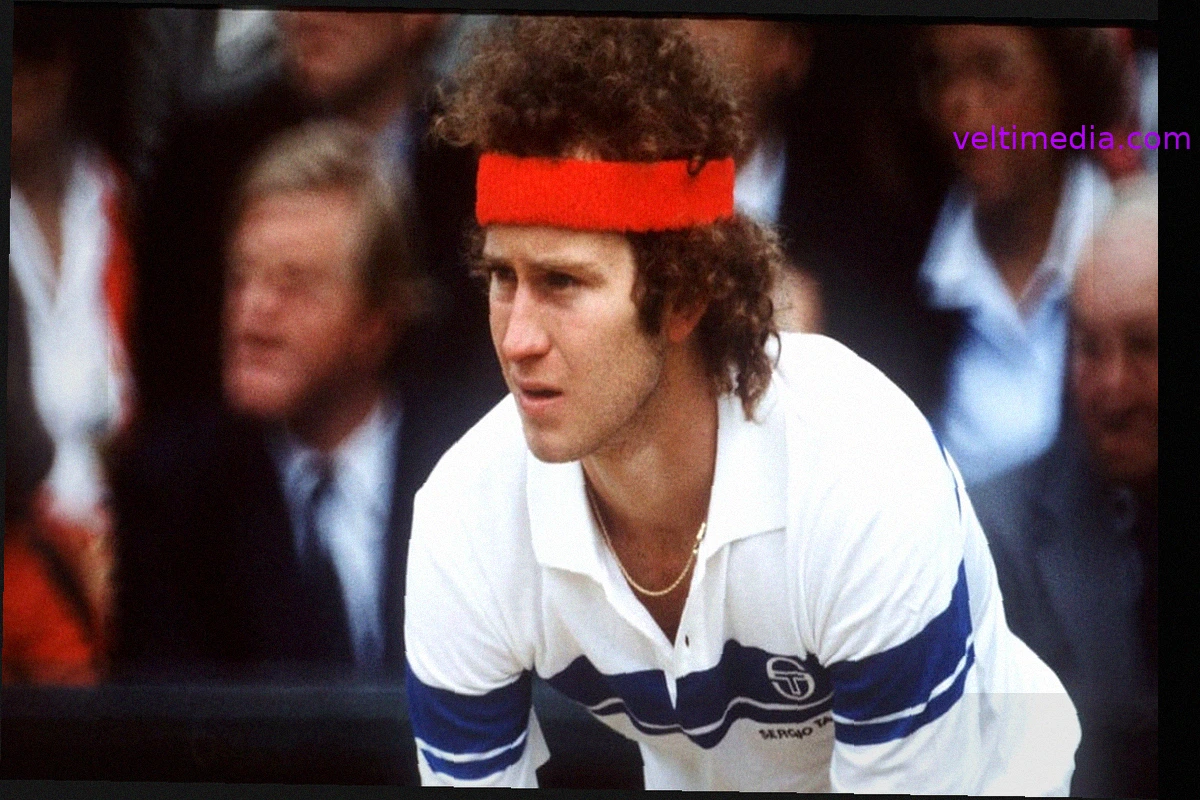
October 7, 1999: John McEnroe's Davis Cup Captaincy Kicks Off with an Insult to Zimbabwe, His Team's First Opponents
John McEnroe John McEnroe, a tennis legend born in 1959, had previously held the world No. 1 ranking for 170 weeks between 1980 and 1985. His career boasted seven Grand Slam singles titles: three at Wimbledon (1981, 1983, 1984) and four at the US Open (1979, 1980, 1981, 1984).

Turk Telekom Ankara Open: Cengiz reaches final
Berfu Cengiz is headed to the Turk Telekom Ankara Open final. She secured her spot by defeating wildcard Deniz Dilek with a score of 6-1, 6-1 on Saturday afternoon. Cengiz, currently ranked 305th, will now compete against Serbia's Teodora Kostovic, seeded fifth. Earlier in the tournament, Cengi
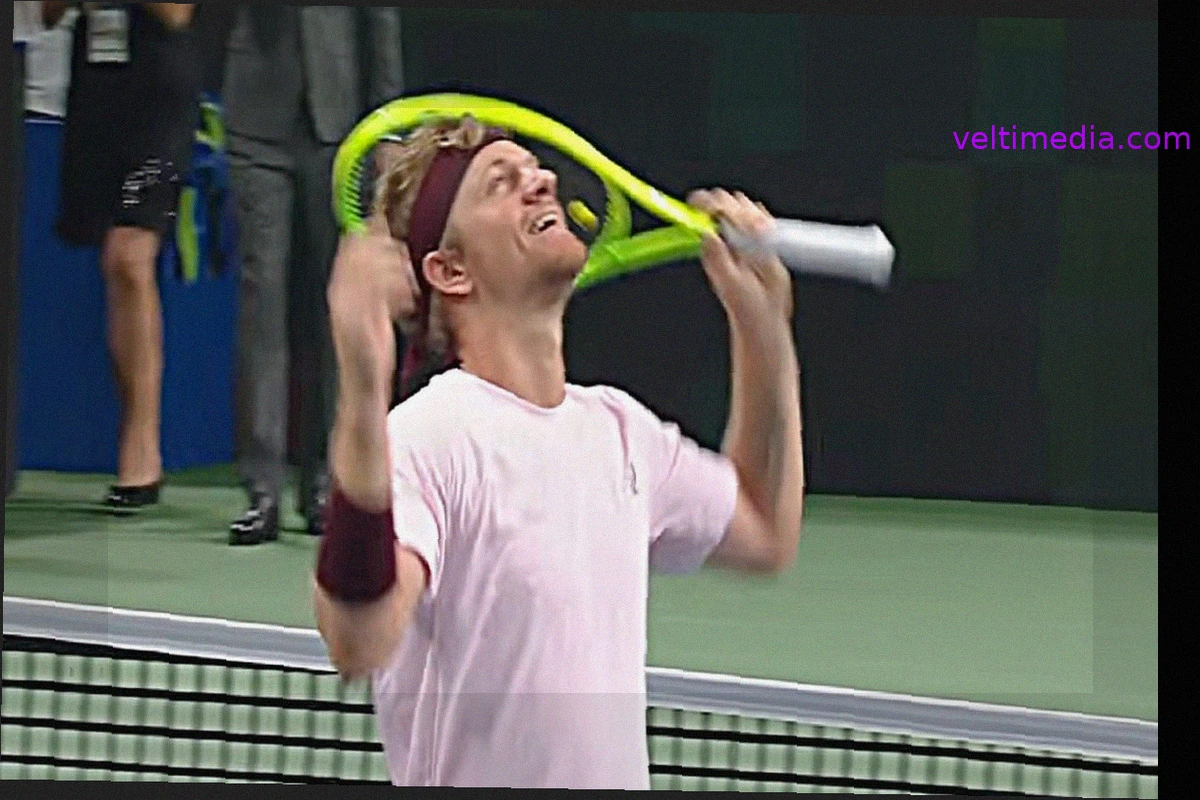
Davidovich Fokina Wins Chengdu Title After Injury Comeback
Alejandro Davidovich Fokina dedicated his Chengdu championship to his team, family, and wife, acknowledging the challenges of his return after a three-and-a-half-month layoff due to injury. He expressed his proactive nature and the significant effort invested in his comeback. He enjoyed h
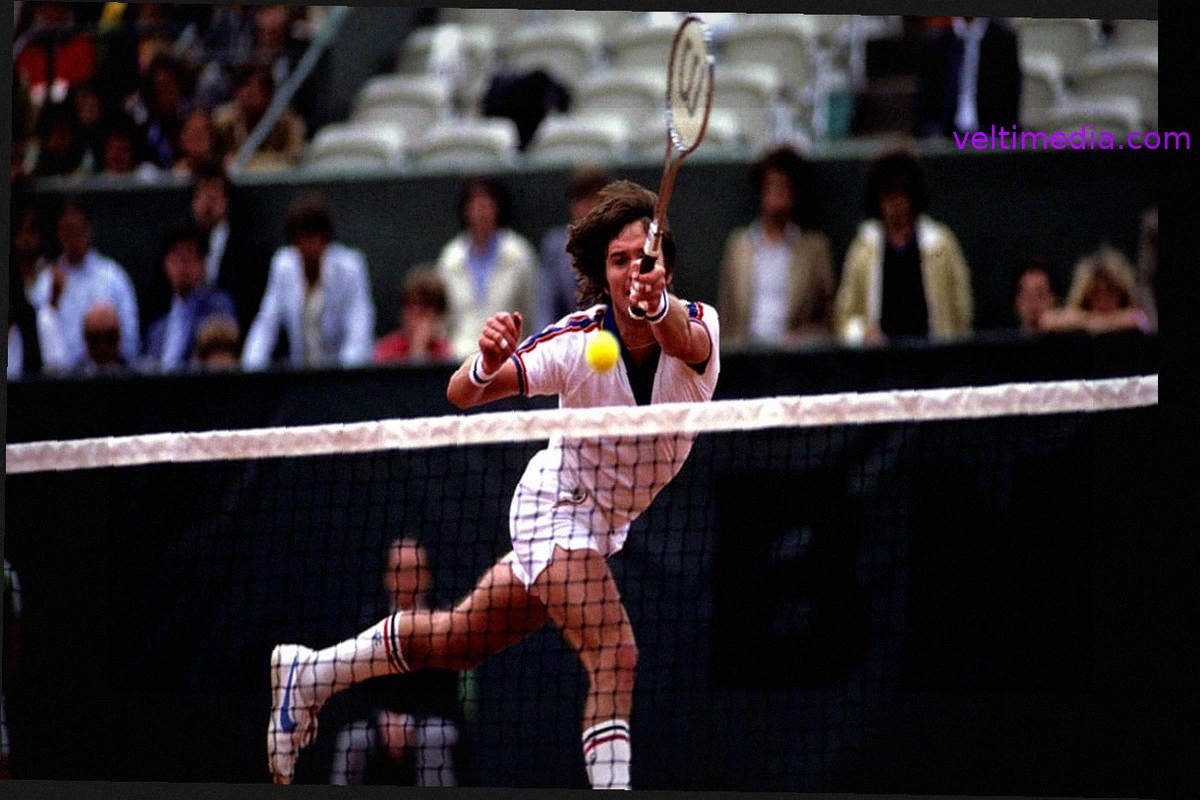
September 25, 1992: Jimmy Connors Defeats Martina Navratilova in "Battle of Champions"
On September 25, 1992, Jimmy Connors faced Martina Navratilova in a highly publicized exhibition match dubbed the "Battle of Champions" at Caesars Palace in Las Vegas. Connors, an eight-time Grand Slam champion and holder of 109 singles titles, was known for his flat, baseline game, he
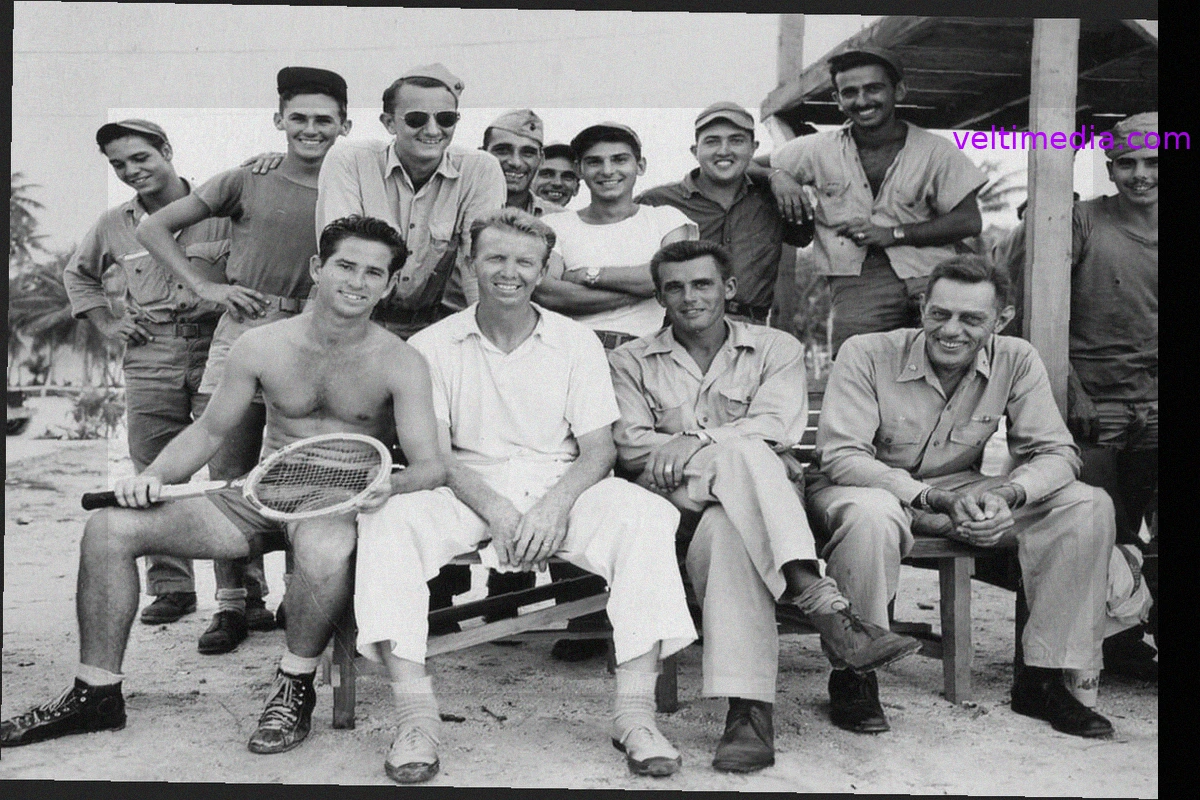
September 24, 1938: Don Budge Achieves the First Tennis Grand Slam
On September 24, 1938, Don Budge secured the final major title needed to complete the Grand Slam. This victory marked the last major tournament he would contest as an amateur before turning professional later that year. The Players: Don Budge and Gene Mako Don Bud
September 23, 1989: Aaron Krickstein's "Marathon Man" Comeback in Los Angeles
Aaron Krickstein, then ranked world No. 16, showcased his "Marathon Man" resilience on September 23, 1989. He achieved a remarkable comeback against Michael Chang in the Los Angeles final, winning 2-6, 6-4, 6-2 after trailing 6-2, 4-1. This victory solidified his reputation.