August 8, 1992: The Day Marc Rosset Clinched Olympic Gold in Barcelona
On August 8, 1992, Marc Rosset, then ranked world No. 43, achieved the most significant victory of his career by securing the gold medal at the Olympic Games in Barcelona. At just 21 years old, the Swiss player battled through heatstroke to defeat Spain's Jordi Arrese with a final score of 7-6, 6-4, 3-6, 4-6, 8-6. This medal, the sole one for a Swiss athlete at the Barcelona Olympics just one day before its conclusion, propelled Rosset into the national spotlight.
The Players Involved: Marc Rosset and Jordi Arrese
Marc Rosset: The Swiss Giant
Born in 1970, Marc Rosset, a towering 6'7" from Switzerland, was renowned as the tallest professional tennis player of his era. His game was characterized by a powerful serve and an aggressive style. Turning pro in 1988, Rosset claimed his first title in Geneva in 1989. He achieved his most significant career title in Lyon in 1990, defeating Mats Wilander, and later reached a career-high ranking of world No. 18. His best Grand Slam performance at the time was reaching the fourth round of the 1992 Australian Open.
Jordi Arrese: The Spanish Clay Court Specialist
Jordi Arrese, born in 1964, was a quintessential Spanish clay court specialist. Three of his four ATP titles were won on clay, including the most significant one in Madrid in 1991. He reached a career-high ranking of world No. 23 in the same year. Arrese also notably defeated Bjorn Borg during the Swede's comeback tour in 1991. In July 1992, Arrese was ranked world No. 30.
The Venue: Tennis de la Vall d’Hebron, Barcelona
The 1992 Olympic Games tennis events were held at the Tennis de la Vall d’Hebron in Barcelona, a venue that had been renovated in 1991 for the occasion. The complex featured seventeen courts, with five designated for the Olympic competition.
The Event: Marc Rosset's Greatest Title
The 1992 Barcelona Olympics saw nearly all of the world's top tennis players in attendance, competing on clay for the first time. The notable absence was Wimbledon champion Andre Agassi. On August 8, two unheralded players, world No. 30 Jordi Arrese and No. 43 Marc Rosset, faced each other for the Olympic gold medal. The tournament was marked by early exits of many top seeds. Arrese reached the final without facing any opponent ranked higher than world No. 26, Andrei Cherkasov. Meanwhile, Rosset, who admitted to being surprised by his own success, eliminated the ninth seed, Wayne Ferreira, and then achieved a stunning upset against world No. 1 Jim Courier, whom he had lost to convincingly earlier in the year. Rosset then defeated the twelfth seed Emilio Sanchez and the unpredictable fourth seed Goran Ivanisevic to reach the final. Having already secured the only medal for Switzerland, the nation watched as Rosset aimed for gold. In sweltering heat, Rosset took a two-set lead before Arrese fought back to level the match. Despite suffering from heatstroke, Rosset drew upon his reserves, relying on his powerful serve to win the deciding fifth set 8-6. Exhausted, he collapsed onto the clay, initially disoriented by his monumental victory.
What Happened Next: Rosset's Continued Success and Federer's Rise
The Olympic gold medal remained the pinnacle of Marc Rosset's career. He went on to win fifteen titles, reaching a career-high ranking of world No. 9 in 1995. His best Grand Slam performance was a semi-final appearance at Roland-Garros in 1996. Rosset remained a top 50 player until 2001 before retiring in 2005. Jordi Arrese secured two more titles in Athens in 1992 and 1993 and reached the third round of the French Open in 1993. He retired in 1996 and later captained the Spanish Davis Cup team to victory in 2004. Rosset's Olympic triumph is seen as a catalyst for the golden era of Swiss tennis, paving the way for Martina Hingis's rise to world No. 1 and Roger Federer's dominance in the sport.
Fresh materials — Tennis news
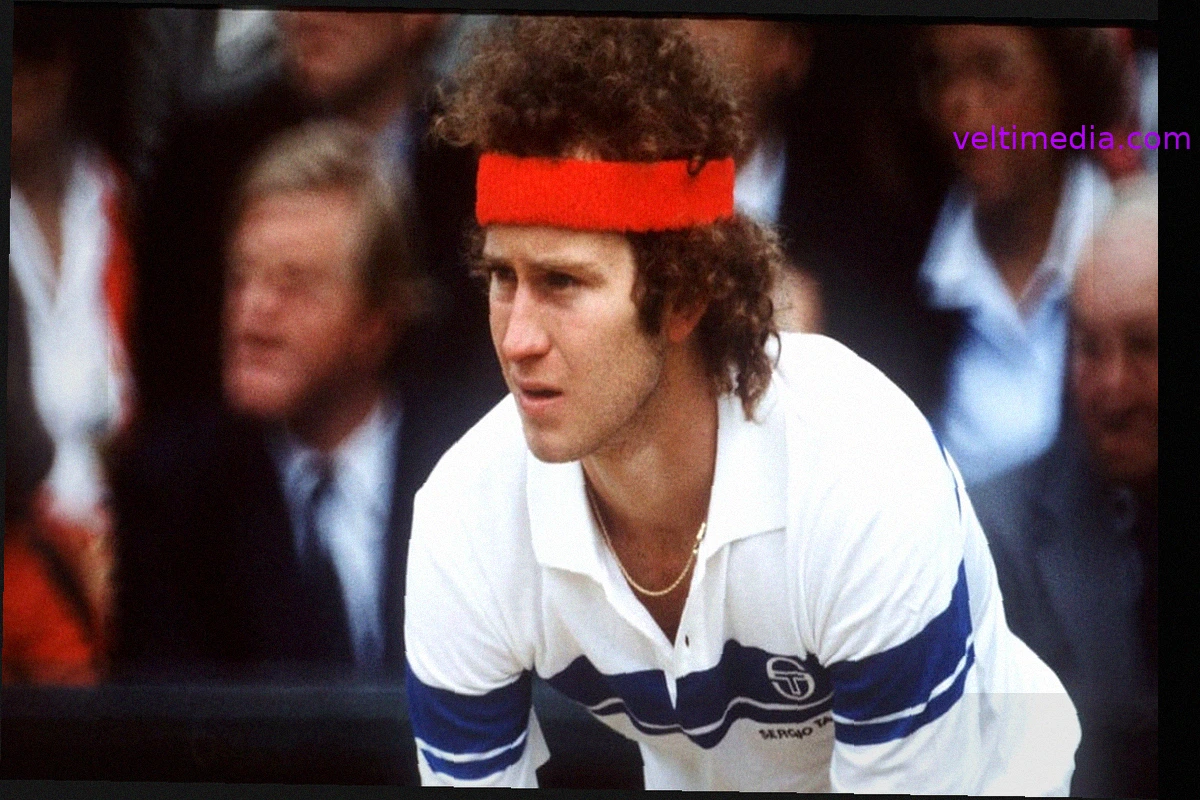
October 7, 1999: John McEnroe's Davis Cup Captaincy Kicks Off with an Insult to Zimbabwe, His Team's First Opponents
John McEnroe John McEnroe, a tennis legend born in 1959, had previously held the world No. 1 ranking for 170 weeks between 1980 and 1985. His career boasted seven Grand Slam singles titles: three at Wimbledon (1981, 1983, 1984) and four at the US Open (1979, 1980, 1981, 1984).
Turk Telekom Ankara Open: Cengiz reaches final
Berfu Cengiz is headed to the Turk Telekom Ankara Open final. She secured her spot by defeating wildcard Deniz Dilek with a score of 6-1, 6-1 on Saturday afternoon. Cengiz, currently ranked 305th, will now compete against Serbia's Teodora Kostovic, seeded fifth. Earlier in the tournament, Cengi
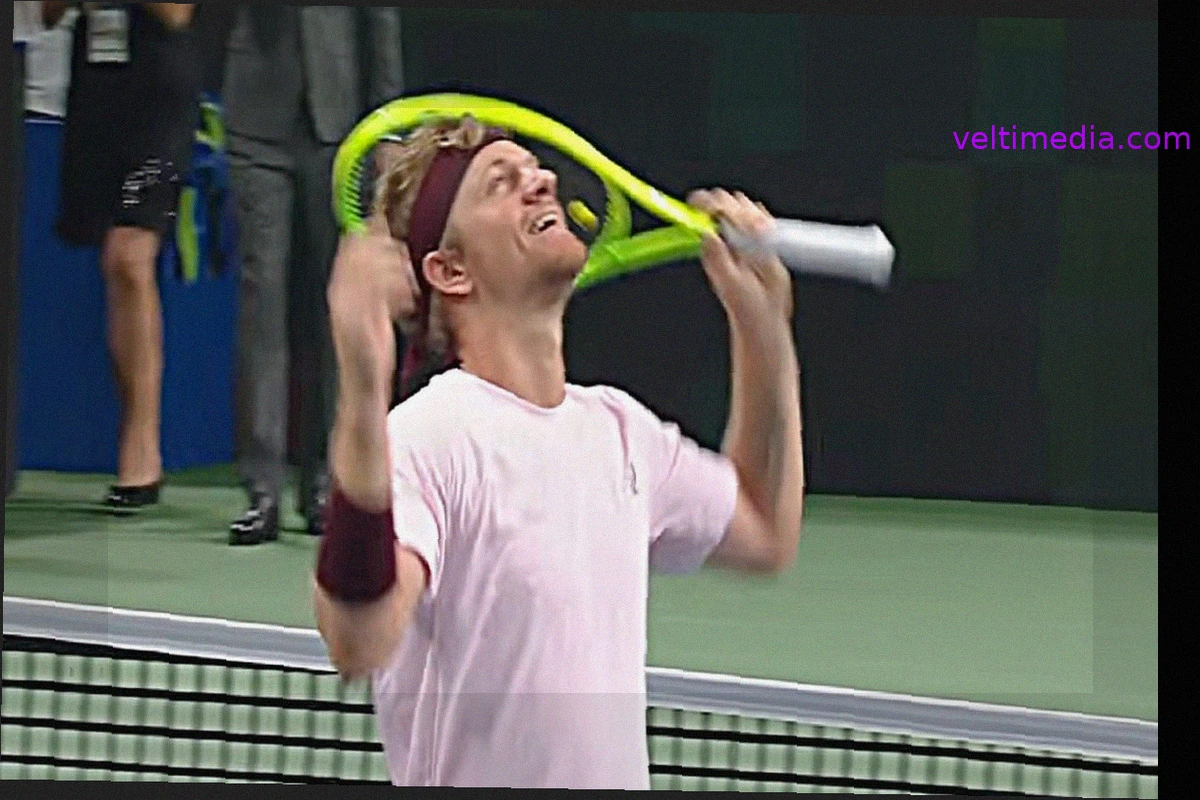
Davidovich Fokina Wins Chengdu Title After Injury Comeback
Alejandro Davidovich Fokina dedicated his Chengdu championship to his team, family, and wife, acknowledging the challenges of his return after a three-and-a-half-month layoff due to injury. He expressed his proactive nature and the significant effort invested in his comeback. He enjoyed h
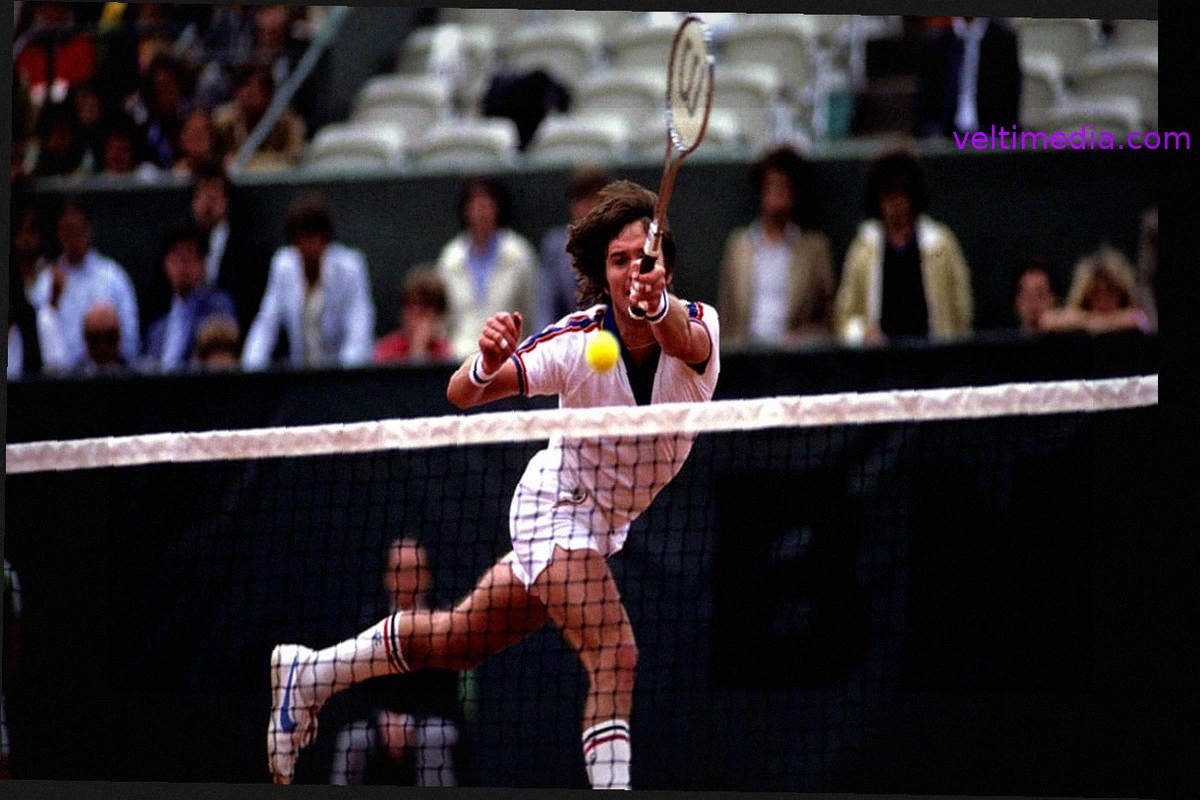
September 25, 1992: Jimmy Connors Defeats Martina Navratilova in "Battle of Champions"
On September 25, 1992, Jimmy Connors faced Martina Navratilova in a highly publicized exhibition match dubbed the "Battle of Champions" at Caesars Palace in Las Vegas. Connors, an eight-time Grand Slam champion and holder of 109 singles titles, was known for his flat, baseline game, he
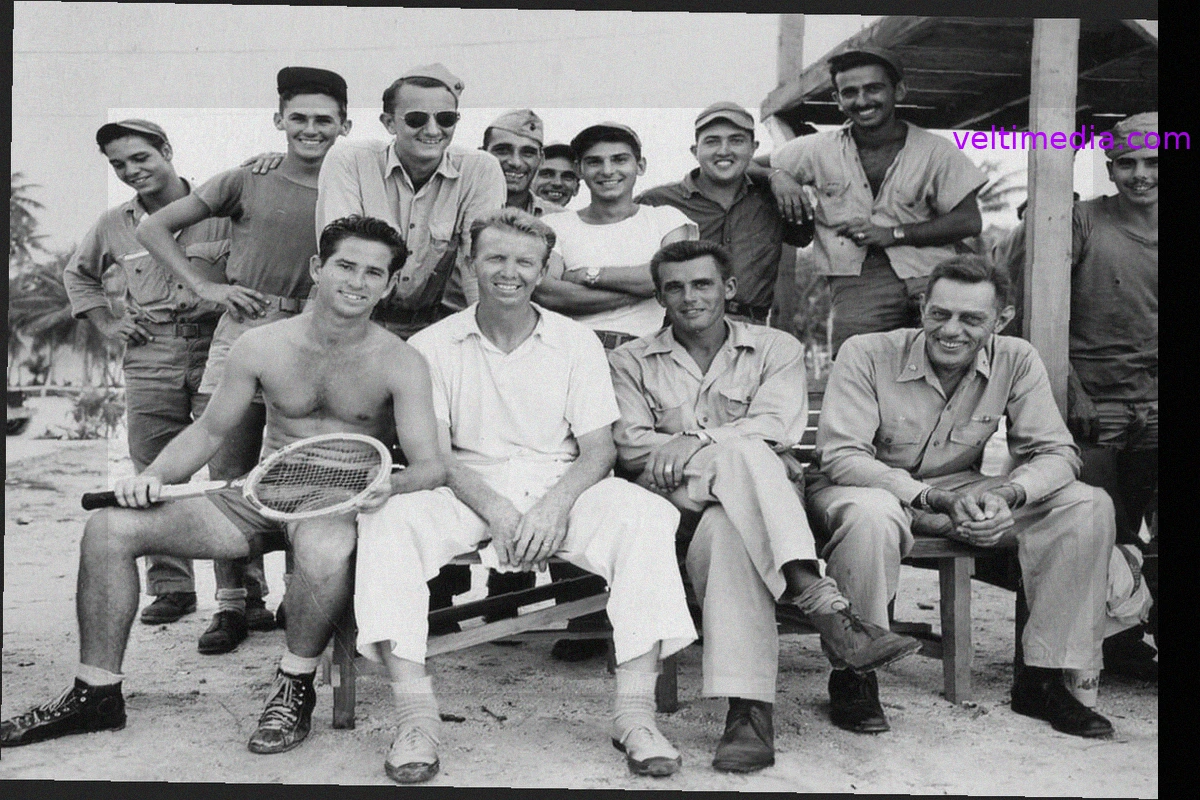
September 24, 1938: Don Budge Achieves the First Tennis Grand Slam
On September 24, 1938, Don Budge secured the final major title needed to complete the Grand Slam. This victory marked the last major tournament he would contest as an amateur before turning professional later that year. The Players: Don Budge and Gene Mako Don Bud
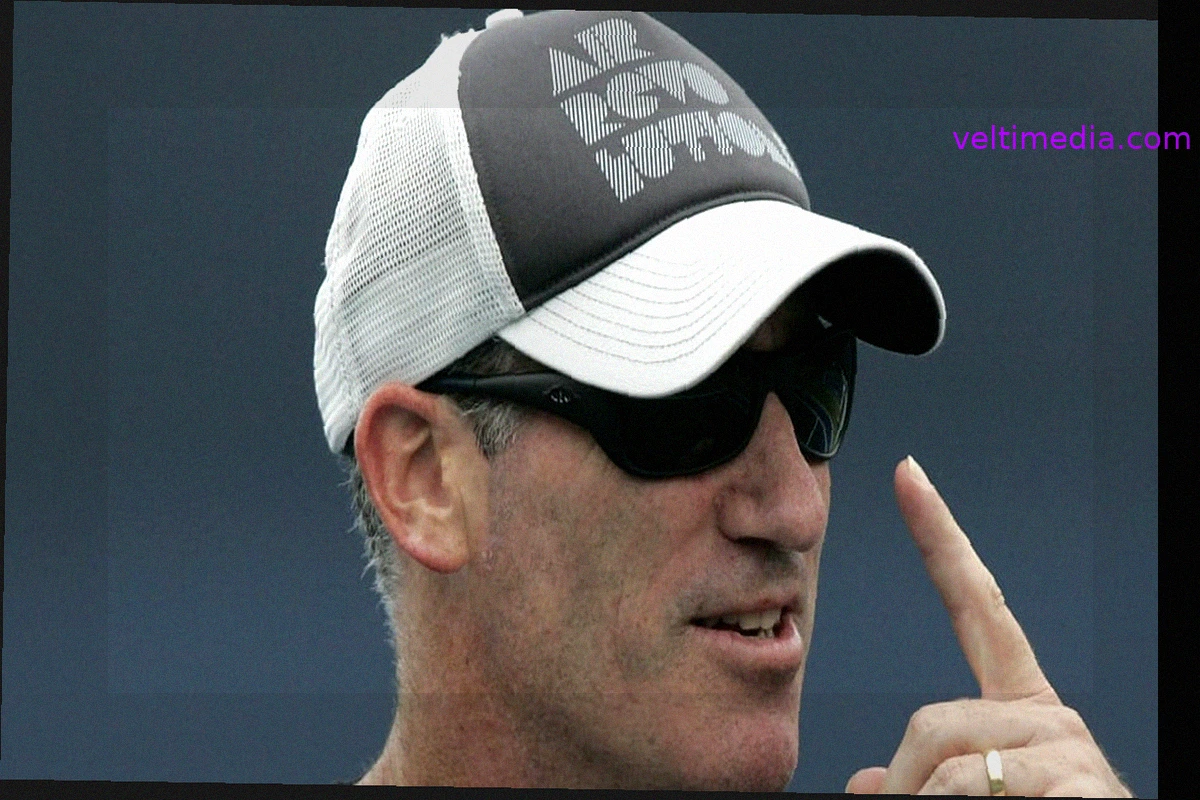
September 23, 1989: Aaron Krickstein's "Marathon Man" Comeback in Los Angeles
Aaron Krickstein, then ranked world No. 16, showcased his "Marathon Man" resilience on September 23, 1989. He achieved a remarkable comeback against Michael Chang in the Los Angeles final, winning 2-6, 6-4, 6-2 after trailing 6-2, 4-1. This victory solidified his reputation.