F1: Tombazis Defends 2026 Car Rules Overhaul
Despite drivers expressing a need to adapt their driving styles, Nikolas Tombazis, the FIA's Director for Single-Seater formula, maintains that Formula 1 cars should not be easy to handle.
Many drivers on the 2026 F1 grid, from seasoned veterans and world champions to newer competitors, have voiced concerns that the latest generation of cars necessitates a significant shift in their driving approach.
Lando Norris, the reigning 2025 world champion, is among several who have stated that the 2026 car is the most challenging to control in his entire Formula 1 career.
While Nikolas Tombazis acknowledges these sentiments, he firmly believes that F1 cars are designed to be demanding.
"They are still quite difficult cars to drive for the drivers, which I think is good, that they're not just cars that anybody can drive," Tombazis stated, as reported by Autosport. "Some of the aerodynamic regulations push towards teams not being able to address every single aspect of a car through a corner, and therefore they do have some challenges."
He further elaborated, "But I think when we have the 22 best drivers in the world, we should also have cars that are not exactly easy for my grandma to drive."
Beyond a reduced wheelbase and narrower dimensions, the 2026 cars are 30kg lighter than their predecessors. Looking ahead to future regulation cycles, Tombazis indicated a desire for even greater weight reduction.
"The cars are a bit lighter and a bit smaller, which the drivers have appreciated," he commented on the current cars. "Now, is that where I would like us to be? No," he admitted. "I would like us to be another 80 kilos lighter, and maybe still a bit shorter and a bit smaller in the future."
"That's the sort of target, that we do another big step from what was possible to do now. I think this is not a bad step, but it's not like I'm saying, 'Yes, job done, that's the target'. We want to go to another step of lightness in the future, and also the weight, a significant step."
"This is the first time I think Formula 1 cars have become lighter since probably the year 2000, I would say at least, or maybe earlier."
While the power unit regulations are a focal point of much of the current discussion and ongoing development, Tombazis is optimistic about the direction of the car regulations themselves.
"Although one should never assume that the job is finished, I do think cars follow each other more closely," he observed.
"I believe we are similar to where we were at the start of the 2022 championship," he added, "but I think it's a bit more robust this year. The various aerodynamic solutions they've had, we haven't found something that has broken the concept, whereas in the previous regulations there were a few things that actually did significantly compromise the concept."
"That mainly relates to the front wing endplates in the last generation car, the floor edges and all the furniture on the front wheel. All of those things made the wake characteristics significantly worse. We learned from that and I think hopefully there isn't any equivalent issue."
Fresh materials — Formula 1 news
Ferrari Preview: Singapore Grand Prix - The Sprint Challenge
Scuderia Ferrari HP returns to action for the Singapore Grand Prix, a race known for its demanding nature. This year's event adds complexity as it adopts the Sprint format for the first time. The Sprint weekend alters the usual schedule. Teams get only one practice session on F
Cadillac Gears Up for Bahrain Grand Prix at Sepang Circuit
Formula One teams are heading from the Caspian Sea to the Strait of Malacca for the 16th round of the 2026 FIA Formula One World Championship™ – the Bahrain Grand Prix. Originally slated for an earlier date, the event was postponed due to regional instability. In a unique arrangement, the Bahrain
F1: Franco Colapinto Receives 5-Place Grid Penalty for Azerbaijan Grand Prix Incident
Franco Colapinto heads to Sepang facing a 5-place grid penalty after an incident during the Azerbaijan Grand Prix. Following the restart, the Argentine driver braked too late approaching Turn 1. He entered the corner too fast on the inside, making contact with his teammate Pierre Gasly's left s
Red Bull's Strong Azerbaijan Grand Prix Performance: P2 and P3 Finish
Max Verstappen described the Azerbaijan Grand Prix race as "very strong." A previously identified engine issue was resolved with a change, allowing him to compete. Initially on Medium tires, which didn't perform as expected, Verstappen still advanced effectively. Swapping to Soft tires improve
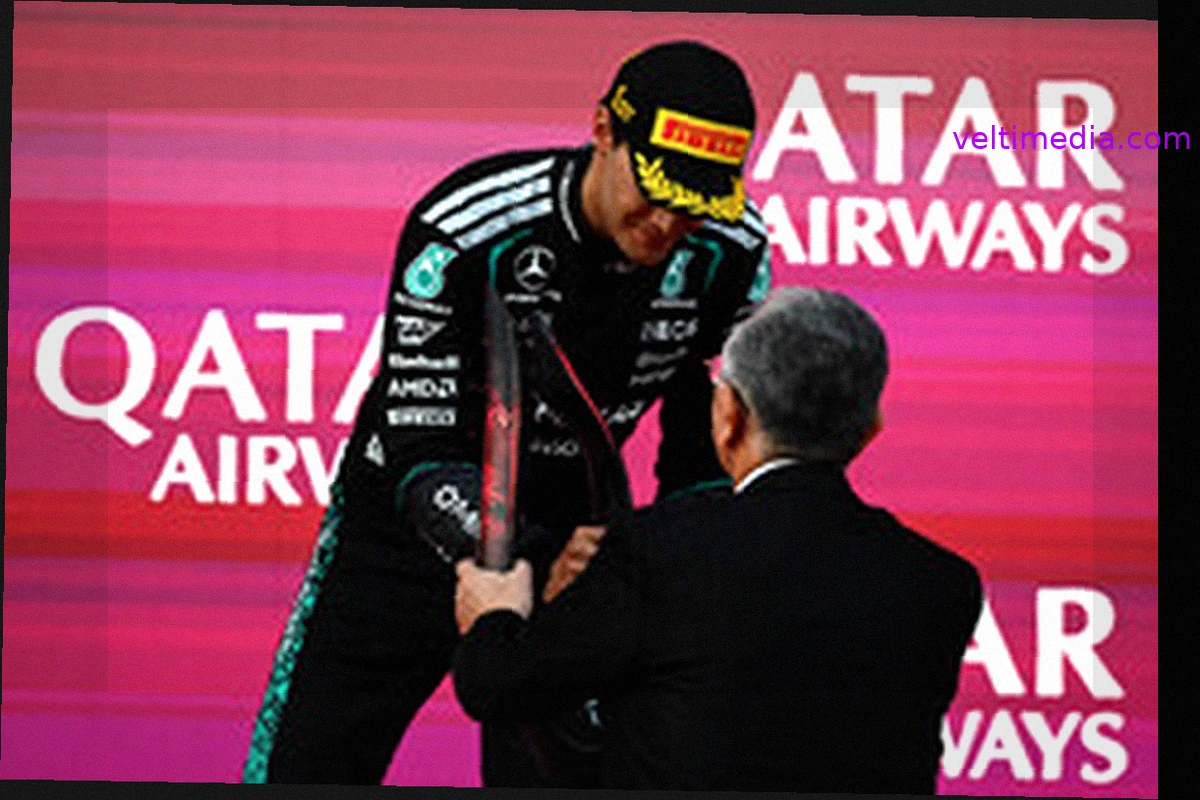
Mercedes F1: George Russell Triumphs at Azerbaijan Grand Prix
George Russell secured his third victory of the 2026 season, winning the Azerbaijan Grand Prix. This marks the eighth Formula One win of his career. His teammate, Kimi Antonelli, climbed from 16th on the grid to finish fifth, demonstrating significant progress after a qualifying setback. Ru
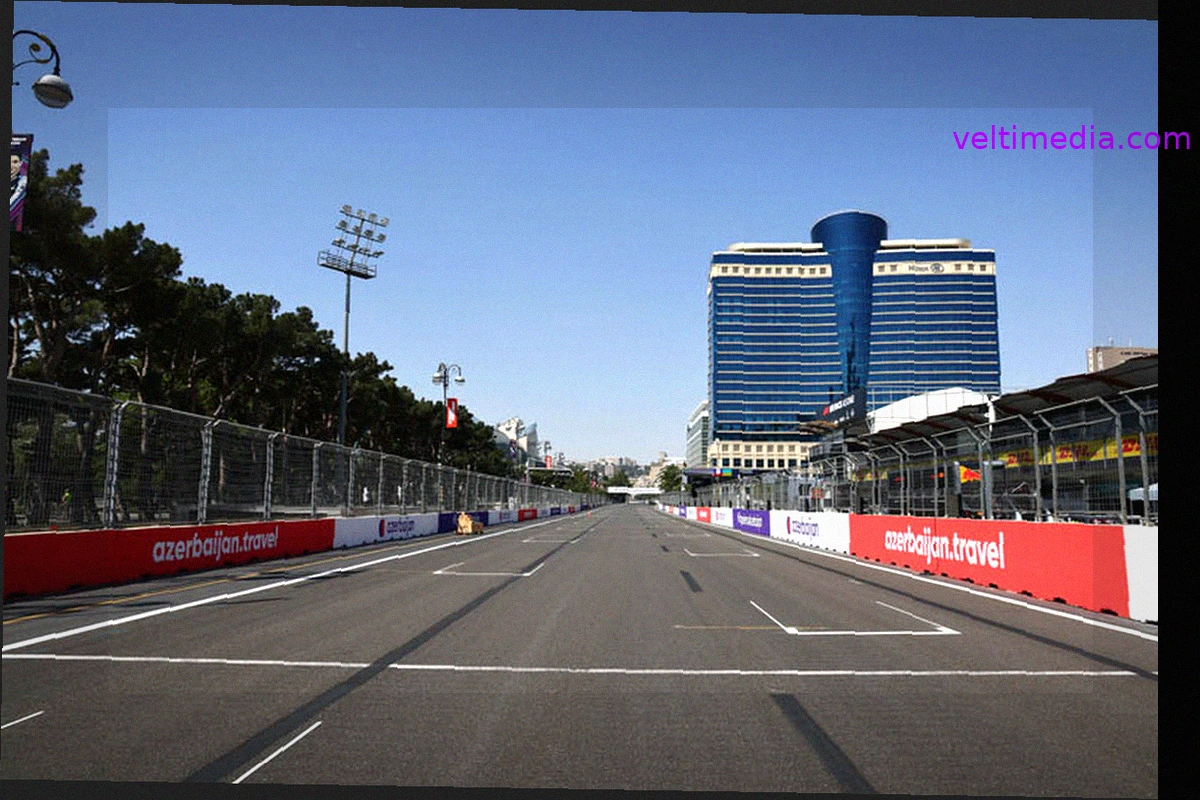
F1 Azerbaijan Grand Prix: Revised Starting Grid
The starting grid for the Qatar Airways Azerbaijan Grand Prix has been adjusted due to penalties. Here are the revised positions: Pos Driver Team 1