Opioid Treatment Programs That Support Long-Term Recovery
The journey of recovery is rarely a straight line. For those battling opioid use disorder (OUD) and their loved ones, this truth is deeply understood. While OUD can be a formidable challenge that doesn't easily recede, the landscape of available support has significantly improved over recent decades. Today, treatments are more tailored, integrated, and accessible than ever before, offering a crucial lifeline to individuals committed to regaining their health.
This overview delves into the primary types of opioid treatment programs, detailing their components and highlighting their importance for individuals, families, and entire communities.
Understanding Opioid Use Disorder
Before examining treatment options, it's essential to grasp what OUD entails. Fundamentally, OUD is a chronic condition that alters the brain's response to opioids, leading to compulsive cravings that persist despite the harm being caused. Substances like heroin, prescription painkillers, and synthetic opioids such as fentanyl can change opioid receptors in the brain over time, making cessation increasingly difficult.
The consequences are severe, with opioid overdose deaths reaching alarming rates across the United States. Recognizing this, organizations like the Substance Abuse and Mental Health Services Administration (SAMHSA) emphasize that effective treatment goes beyond willpower, requiring structured, evidence-based support that addresses both the physical and psychological aspects of addiction.
Medication-Assisted Treatment (MAT)
While counseling and group sessions are vital, medication plays a critical and often life-saving role in treating opioid use disorder. Medication-Assisted Treatment (MAT) combines FDA-approved medications with counseling and behavioral health services. The objective is to mitigate cravings, prevent withdrawal symptoms, and provide a stable foundation for rebuilding one's life.
The U.S. Food and Drug Administration has approved three main medications for OUD:
Methadone
Methadone is a long-acting opioid agonist that alleviates withdrawal symptoms and cravings without inducing the euphoric high associated with short-acting opioids. It has a long history of use in treatment programs and remains one of the most extensively studied options.
Buprenorphine
Buprenorphine is a partial opioid agonist, meaning it activates opioid receptors but with a limited ceiling effect that reduces misuse potential. Often combined with naloxone to further decrease diversion risks, buprenorphine can be prescribed in office-based settings, significantly improving access for many patients.
Naltrexone
Naltrexone, especially its injectable extended-release form, functions as an opioid antagonist, completely blocking opioid receptors. It is effective for individuals who have completed detoxification and wish to maintain abstinence. By blocking opioid effects, it can also serve as an overdose reversal agent in some situations, though it is distinct from naloxone, which is specifically for emergency use.
Effective medication management is a crucial element of care, particularly in intensive settings where both medical and psychological aspects of addiction can be addressed concurrently.
Opioid Treatment Programs (OTPs): Regulated and Rigorous Care
Opioid Treatment Programs (OTPs) are federally regulated centers certified to dispense medications like methadone for OUD. Governed by strict regulations, these programs must be accredited by bodies approved by SAMHSA. OTPs offer a structured, supervised environment for patients requiring consistent medication access, especially during the initial, high-risk phases of treatment.
Within an OTP, treatment typically involves a comprehensive assessment to create individualized service plans tailored to each patient's unique circumstances, history, and aspirations. These programs adopt a holistic approach, acknowledging that substance use disorders often coexist with mental health issues, trauma, housing instability, and other complex social factors.
Residential Treatment
For individuals with severe OUD or those in home environments that pose significant risks to recovery, residential treatment provides an essential level of support. In residential programs, patients reside at the facility, receiving round-the-clock care that includes medical supervision, counseling, psychiatric services, and peer support. This immersive setting helps remove triggers and stressors common in early recovery, providing much-needed structure.
Trauma-informed care is a cornerstone of quality residential programs, addressing underlying trauma that often contributes to OUD. Peer recovery support services, delivered by individuals with lived experience of addiction and recovery, offer invaluable guidance, advocacy, and inspiration.
Partial Hospitalization and Intensive Outpatient Programs
For those who do not require or cannot access full residential care, Partial Hospitalization Programs (PHPs) and Intensive Outpatient Programs (IOPs) offer structured, high-frequency treatment while allowing patients to return home. PHPs typically involve several hours of daily treatment, five or more days a week, providing group and individual therapy, psychiatric care, medication management, and psychoeducation.
IOPs are less intensive but still significantly more structured than standard weekly therapy, with patients attending multiple sessions weekly, often in the evenings. IOPs usually include group and individual counseling, family therapy, relapse prevention training, and urine drug screen monitoring.
Both PHPs and IOPs can integrate medications for OUD with behavioral health treatment, a dual approach considered best practice for better outcomes.
Behavioral Therapy
While medication addresses the brain's chemical changes, behavioral therapy targets thought patterns, responses, and interactions with the world. Together, they form the most effective treatment strategy. Key evidence-based behavioral therapies include:
Cognitive-Behavioral Therapy (CBT)
CBT helps patients identify thought patterns and triggers associated with substance use and develop healthier coping mechanisms. It is practical, skills-focused, and research-supported.
Contingency Management
This approach uses positive reinforcement, offering rewards for achieving treatment goals like clean drug tests or consistent attendance, to encourage abstinence and engagement.
Motivational Interviewing
Motivational interviewing is a collaborative, non-confrontational method that helps patients explore their own motivations for change, proving especially valuable in early treatment.
These therapies are delivered through individual and group counseling. Individual sessions allow for exploration of personal history and specific challenges, while group therapy fosters community and shared experience.
The Role of Family Counseling
Family counseling is often integral, as addiction impacts the entire family unit. It helps family members understand the disease, learn supportive strategies without enabling use, and address their own emotional responses.
Overdose Education and Community-Based Services
The scope of opioid treatment has expanded to include community-based services, overdose education, and peer-driven programs. Overdose education empowers individuals and communities to recognize overdose signs and administer naloxone, a life-saving medication.
Resources like SAMHSA’s National Helpline and Opioid Treatment Program Directory provide crucial information and referrals. Case management services assist patients in navigating essential support systems such as housing, legal aid, and employment assistance, significantly contributing to long-term treatment engagement.
Special Considerations
Opioid use disorder during pregnancy requires specialized care. Untreated OUD during pregnancy poses risks to both mother and infant, including neonatal abstinence syndrome. Medication-assisted treatment with methadone or buprenorphine is considered the safest and most effective approach, combined with comprehensive prenatal and behavioral health care to ensure optimal outcomes for both mother and child.
What Constitutes Quality Treatment?
Several markers of quality apply across all program types:
- Individualization: Treatment plans should be tailored to each patient's unique circumstances, not generic.
- Medication Access: Access to FDA-approved medications is essential for evidence-based care.
- Continuity of Care: Smooth transitions between different levels of care and ongoing support are critical to prevent relapse.
- Integrated Services: Programs that incorporate peer recovery support, address co-occurring mental health conditions, and embrace trauma-informed care are of higher quality.
Supporting the Fight for Recovery
Recovery from opioid use disorder is challenging, and setbacks are common. However, the availability of comprehensive, evidence-based treatments—from MAT and residential programs to outpatient services and community support—offers more individuals a genuine opportunity to reclaim their lives.
Research consistently demonstrates that individuals engaging in structured opioid addiction treatment experience longer, healthier lives, rebuilding relationships, returning to work, and becoming active community members. Every individual battling OUD deserves access to the best available care. Understanding what constitutes effective treatment and where to find it is the first step toward ensuring they receive it.
Fresh materials — PFL news
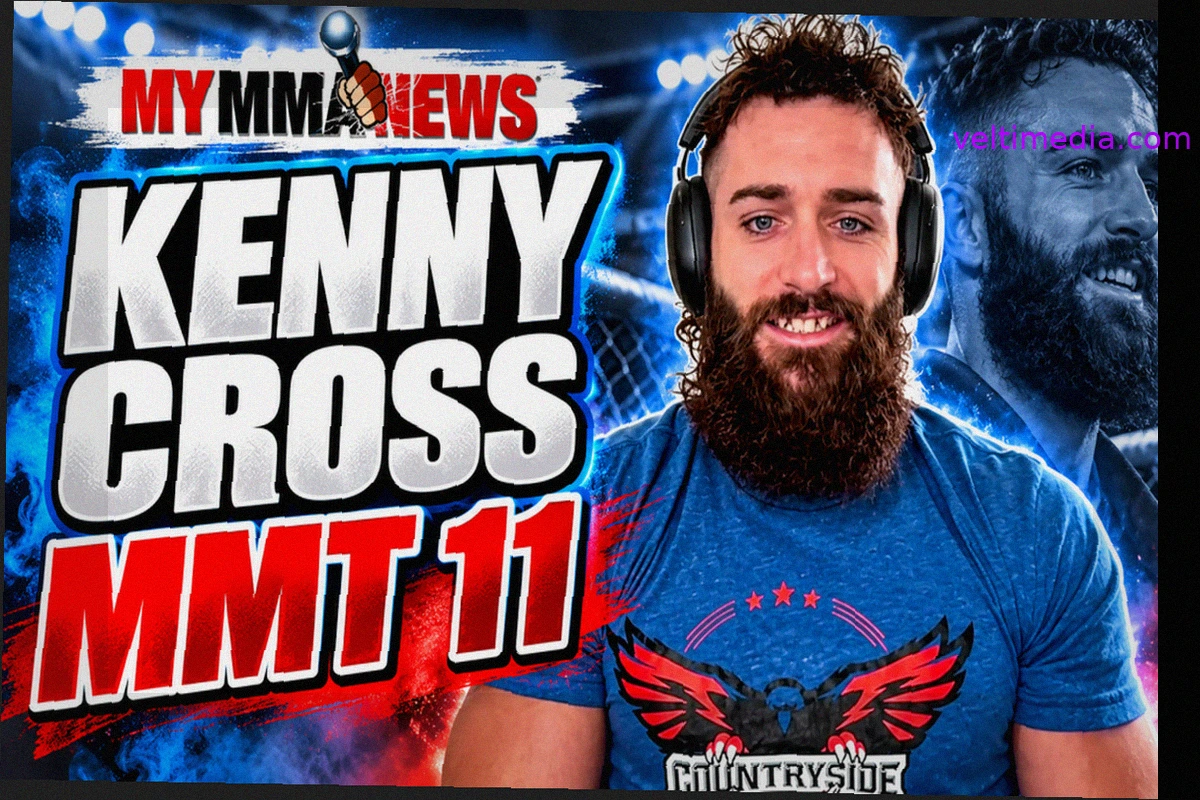
Kenny Cross Eyes Statement Win in Muay Thai Debut
Kenny Cross is set to make his Muay Thai debut against James Barney at MMT 11 on November 7. Cross shared his thoughts on the upcoming fight and his previous bout against Salahdine Parnasse, as well as the PFL-MVP merger. Regarding his new opponent, Cross stated, "He's either going to get p

Darren Till Dominates Yoel Romero at BKFC 94
Darren Till defeated Yoel Romero via unanimous decision at BKFC 94 in Manchester, UK. The fight, held on Saturday night, saw Till win before a sold-out crowd of 15,894 at the AO Arena. All three judges scored the bout 49-46 for Till, who now holds a 2-0 record in BKFC. Romero, a former Olympic

UFC 334: Gane vs. Hokit Headlines Madison Square Garden Return with Championship Doubleheader
UFC is back at Madison Square Garden in New York City for an event highlighted by two championship fights. In the main event, undisputed UFC heavyweight champion Ciryl Gane makes his first title defense against No. 4 ranked contender Josh Hokit. The co-main event pits reigning bantamweight cha

The Journey of a Slot Game: From Studio to Casino Floor
When you choose a slot machine in a casino, it's easy to think the casino itself created, owns, and operates that game, much like a shop might sell its own products. However, the game you play has undergone a long, often unseen journey, involving several independent companies before its first

Beyond the UFC: Legal Ways to Watch Regional MMA
Many UFC champions honed their skills in smaller venues before reaching the pinnacle of the sport. These regional promotions, often held in less glamorous settings, are where future stars build their careers. For dedicated fans, following these leagues offers a chance to discover talent years

Solomon Renfro Arrested for Alleged Assault in New York
New York-based mixed martial artist Solomon Renfro, 29, was apprehended on Sunday after reportedly assaulting a 22-year-old woman. Police responded to a call at 47 Madison Street in Chinatown early Sunday morning, finding the victim with visible injuries including scratches and bruises on her c