Inside Mitsubishi's KOBO Facility: Rethinking Golf Shaft Fitting
```html
Our visit to Mitsubishi's new KOBO facility in Carlsbad, California, offered a fascinating glimpse into their R&D process. This state-of-the-art lab is equipped with cameras, robots, and custom shaft-testing machinery, highlighting the direct link between laboratory findings and on-course performance.
Beyond Retail Myths: The Personal Nature of Shafts
For years, golf equipment has been simplified by a straightforward narrative: fast swings need stiff, heavy shafts for low launch and spin, while slower swings benefit from lighter, softer shafts for higher launch. While this logic has some merit and creates easily digestible retail displays, it doesn't capture the full complexity of golf shafts.
In reality, a golf shaft is a highly individualized timing mechanism. Its interaction with your hands, transition, and delivery pattern is far more critical than the labels found on graphite shafts. Our experience in Mitsubishi's M-LAB, working with Jason Felicitas (Tour Performance and Fitting Innovation), shifted the focus from mere launch monitor optimization to understanding the shaft's actual behavior throughout the swing and why theoretical perfection doesn't always translate to the course.
Clubheads, Not Shafts, Dictate Launch
A common misconception is that the shaft significantly influences the ball's launch and spin. In truth, the clubhead and the physics of impact are the primary determinants of ball flight. The shaft's main role is to deliver the clubhead to impact with consistency – square to the path and centered on the face – to enable optimal results.
High-speed 3D motion capture systems like GEARS reveal that shaft profiles don't independently alter launch angles. Instead, variations in butt stiffness, mid-section flex, and tip stability affect how the shaft flexes under load, its closure rate at impact, and your body's response to its weight and flex characteristics during the transition.
If a shaft profile doesn't align with your natural release pattern, your body will subconsciously compensate. This can lead to holding off your release, casting the club, or altering your swing path because the clubhead doesn't feel right. When you have to consciously time a shaft instead of swinging naturally, your shot dispersion increases, and center-face contact decreases.
Testing a Spectrum of Shaft Profiles
To understand how the body adapts to different shaft designs, we tested three fundamental philosophies from Mitsubishi's Diamana platform using the same driver head:
- The Whiteboard Profile (Stiff Tip, Firmer Overall): Traditionally known for low launch and low spin, this profile offers stability for aggressive transitions, resisting excessive droop or twist. However, its resistance to closing quickly through impact might lead to an open face for players who rely on face rotation, potentially causing high-right misses. This is a generalized description, and individual results can vary.
- The Blueboard Profile (Balanced, Smooth Mid-Flex): This balanced design features a smooth transition from handle to tip. For many golfers, this consistent flex distribution allows for a better feel of the clubhead's position at the top of the backswing without feeling rigid. Our testing indicated this profile produced the most consistent center-face strikes and tightest shot patterns, as it required minimal swing manipulation.
- The Redboard Profile (Active Tip, Stable Handle): Often considered a "high-launch" option for moderate swing speeds, modern builds pair an active tip with very low torque. For players who tend to come from the inside and struggle with over-hooking, an active tip with a stable handle can allow for a freer swing without the fear of the face closing too aggressively through impact.
Dispelling Swing Speed and Flex Myths
Observing these profiles in action underscores why conventional fitting guidelines often fall short for amateur golfers.
High swing speeds don't automatically necessitate extremely stiff shafts. Many professional golfers with swing speeds exceeding 120 mph use lighter shafts or softer tip profiles to optimize club loading and face squaring without excessive hand action. It's also important to note that not all PGA Tour players have a significant upward angle of attack; some, like Xander Schauffele, have a more neutral or slightly descending one.
Conversely, moderate swing speeds are not limited to high-launch shafts. A golfer with a 90 mph swing speed who experiences an aggressive transition might struggle with face control with a soft profile, achieving better center contact and tighter dispersion with a more stable, linear design.
Furthermore, "stability" is largely perceived through feel. Differences between flex designations like Tour X and standard X-flex often lie in subtle variations in torque and material placement. A shaft that feels too loose can cause hesitation, while one that feels excessively stiff might lead to over-swinging as compensation.
Prioritizing Delivery Over Theoretical Numbers
When evaluating a driver setup, the fitting hierarchy must always prioritize real-world delivery over theoretical launch monitor data.
The initial step in any fitting should be establishing your intended start line and shot shape to ensure the club consistently delivers the face where you aim. Subsequently, the focus shifts to impact location and achieving consistent center-face contact. Finally, feel and transition are crucial for ensuring you can repeat your swing without conscious effort.
Consistent center-face contact leads to predictable ball speed, stable spin rates, and more manageable misses. This consistency is achieved through a shaft that complements your natural mechanics, rather than chasing a generic flex label.
To optimize your driver, look beyond flex designations and static charts. Pay attention to your intended start lines, your typical impact location on the face, and the natural release of your club. Aligning these three factors will help you find the shaft that truly belongs in your bag.
Fresh materials — Golf news
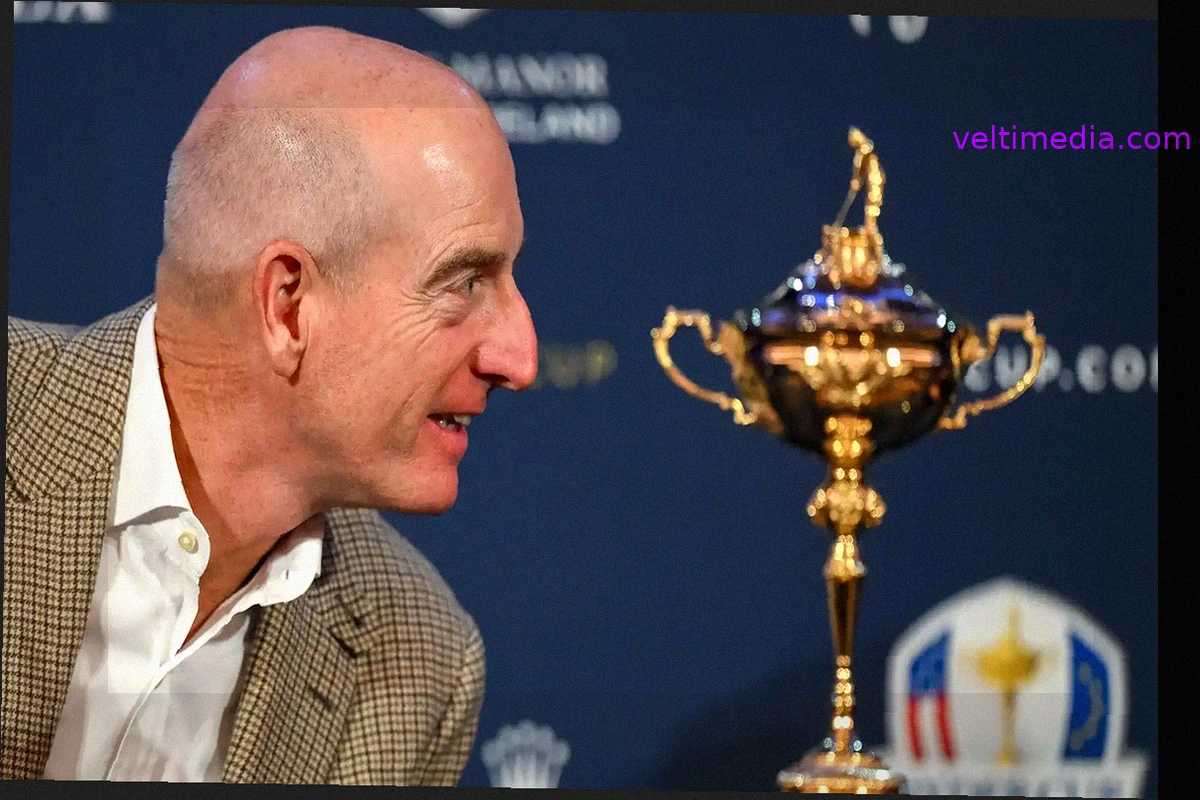
Jim Furyk Addresses U.S. Ryder Cup Team's Alternate Shot Struggles, Promises Improvements
Jim Furyk, set to captain the U.S. Ryder Cup team in 2027, acknowledged the team's recurring difficulties in alternate shot formats. Data shows a significant disadvantage: Europeans hold a 13-3 record in foursomes over the last two Ryder Cups, and Internationals a 13-5 record in the p

'Lost for words': Adrian Meronk's Emotional St. Andrews Victory Sparks LIV Golf Question
Adrian Meronk's professional journey began at the Home of Golf, where he made his DP World Tour debut at the Alfred Dunhill Links Championship in 2016. Ten years later, Meronk was overcome with emotion at The Old Course as he watched Casey Jarvis narrowly miss an eagle opportunity from the Val

Revolutionary Program Shapes Golf Course Superintendents: A Life-Altering Experience
DJ McClellan’s workday often starts before dawn, with his "lunchtime" sometimes falling at breakfast. He describes his commitment: “It’s like 8 o’clock in the morning, 9 o’clock in the morning, and they say, ‘Oh, I’m on my way to work.’ I could almost go eat lunch now. I’ve already put in an e

Presidents Cup Venues: Kingston Heath and Bellerive Set for 2028 and 2030
The Presidents Cup is set to feature new locations for its next two editions, moving to Kingston Heath in Melbourne, Australia, in 2028 and Bellerive Country Club in St. Louis, Missouri, in 2030. Kingston Heath, a renowned course on Australia's Sandbelt, will host the event in
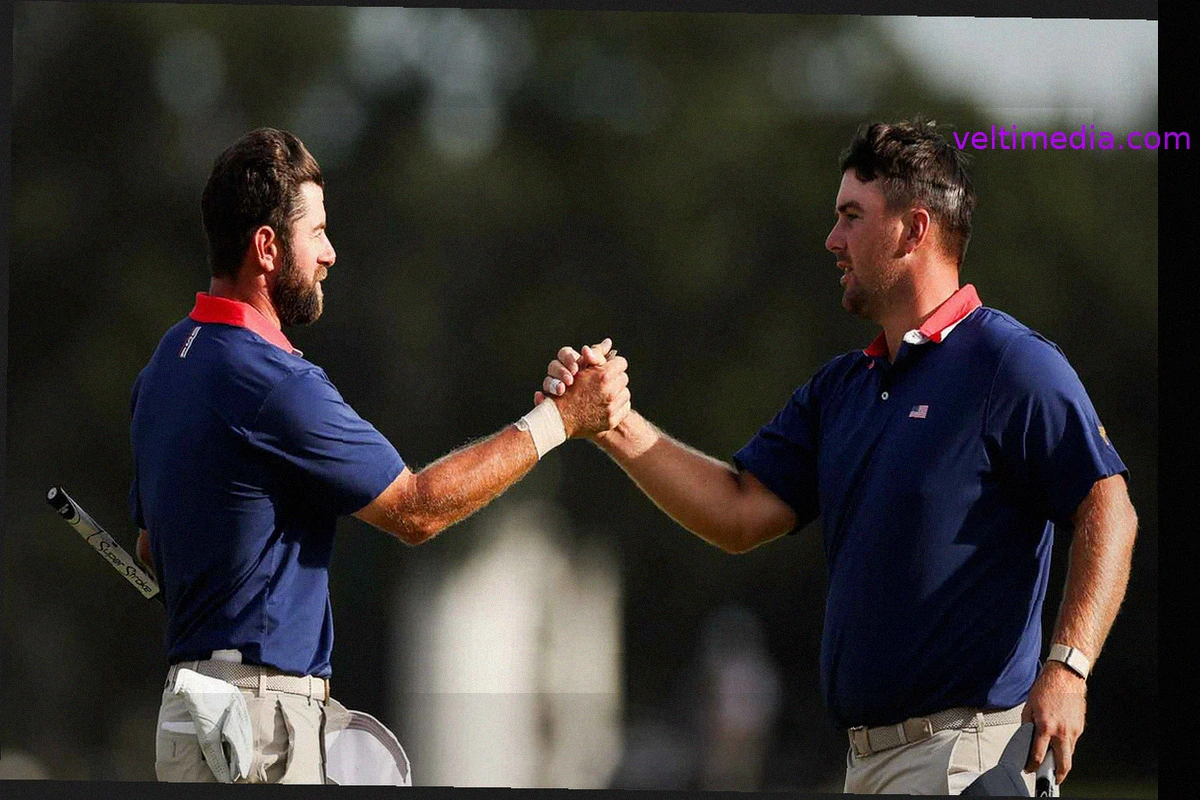
Presidents Cup 2026: Sunday's Final Round Coverage from Medinah
The International Team enters Sunday's final round of the Presidents Cup at Medinah Country Club with a 10.5-7.5 advantage over the United States Team. After a 3-2 lead in four-ball on Thursday and being swept in Friday's foursomes, the U.S. team fought back Saturday. They won the morning f
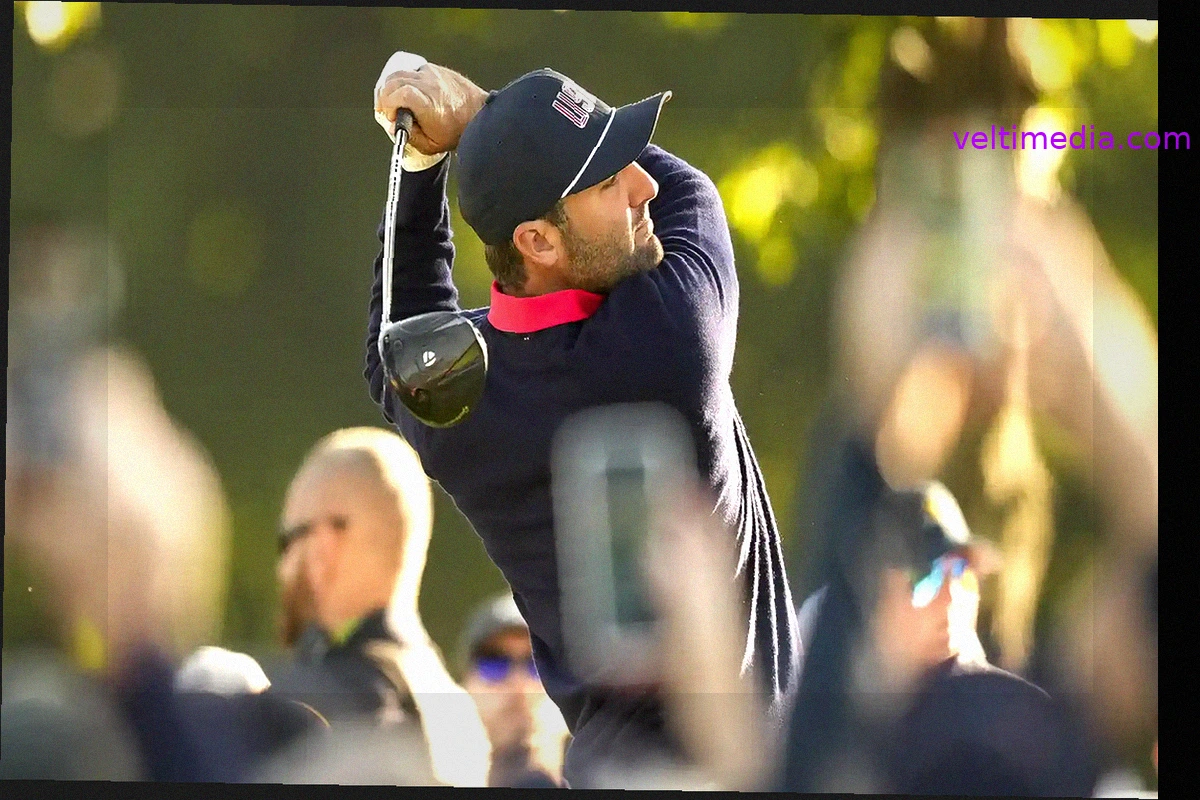
2026 Presidents Cup Final Day: How to Watch Sunday's Matches at Medinah
The final day of the 2026 Presidents Cup begins Sunday at Medinah CC in Chicago. All the information you need to follow Sunday's play, including TV broadcast times, streaming options, and the day's singles matchups with tee times, is here. Watching the Presidents Cup Sunday With only o