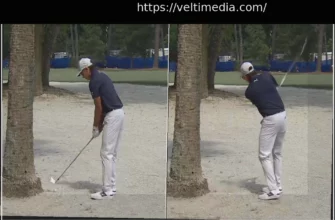

GOLF Top 100 Teacher Tony Ruggiero explains the importance of ingraining new swing movements through slower practice swings to ensure they become ingrained and repeatable. This approach is key to making swing changes stick.
Why a Slower Approach Enhances Golf Swing Learning
According to GOLF Top 100 Teacher Tony Ruggiero, adopting a slower tempo when practicing new golf swing movements is a vital strategy for lasting improvement. The rationale behind this is that deliberately slowing down allows golfers to better feel and understand the mechanics of the desired motion. When you swing at a normal or fast pace, especially when trying to implement changes, your body can revert to old habits or muscle memory before the new movement is properly registered. A slower swing provides the necessary time for conscious awareness and neuromuscular feedback, enabling the brain to communicate effectively with the muscles involved. This deliberate repetition at a reduced speed helps to build a stronger neural pathway for the new swing pattern, making it more likely to be recalled and executed correctly when swinging at full speed. Essentially, the slower practice sessions are an investment in making the new swing elements a natural and automatic part of your game.
The Benefits of Slow-Motion Golf Swing Practice
The principle that “slower is better” in golf swing practice is rooted in the science of motor learning. Tony Ruggiero, a distinguished GOLF Top 100 Teacher, emphasizes that when golfers attempt to alter their swing, particularly by introducing new positions or sequences, the speed at which they practice can significantly impact the effectiveness of that learning. Swinging slowly allows for a heightened level of sensory feedback. This means you can feel the subtle shifts in weight, the rotation of the body, the position of the clubface, and the path of the swing with greater clarity. Without this conscious awareness, the new motion might be attempted but not truly understood or felt, leading to inconsistent results. Slow-motion practice also helps to identify and correct flaws before they become ingrained. If a new movement is being executed incorrectly, a faster swing might mask the error. A slower pace, however, exposes these inaccuracies, allowing the golfer and their instructor to make precise adjustments. This deliberate and controlled practice fosters a deeper understanding of the swing, leading to more reliable and repeatable performance on the course.
Making New Swing Changes Stick with a Deliberate Pace
For golfers aiming to incorporate new techniques or refine their existing swing, Tony Ruggiero, a GOLF Top 100 Teacher, strongly advocates for the “slower is better” approach. The core idea is that consciously reducing the speed of your practice swings isn’t about becoming a slow swinger on the course, but rather about facilitating the learning process. When you’re trying to learn something new, your body and mind need time to process the information and translate it into physical action. A slow swing provides this crucial processing time. It allows you to feel the correct sequence of movements, maintain proper balance, and execute the intended swing path without the pressure of speed. This deliberate practice helps to build muscle memory correctly. Instead of rushing through the motion and potentially reinforcing bad habits, slow-motion repetitions build a solid foundation for the new swing. Once these movements are felt and understood at a slower pace, gradually increasing the speed in subsequent practice sessions helps to integrate the learned technique into your game, making it more natural and effective when you’re playing a round.