
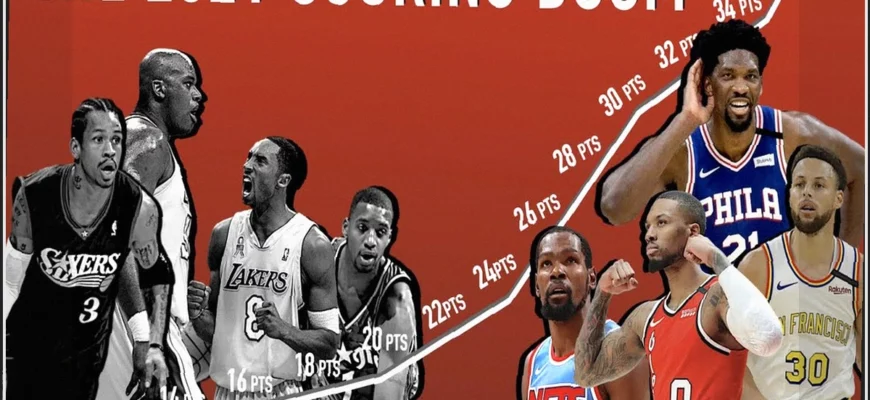
While NBA basketball is often celebrated for its electrifying moments—buzzer-beaters, spectacular dunks, and dominant fourth-quarter surges—the true narrative of the league is frequently unveiled through its data. Beyond the highlight reels, a rich layer of statistics details how players impact possessions, how teams manage game tempo, and what strategies foster sustained success. For fans eager to delve deeper than surface-level observations, analytics significantly enhance the sport’s intrigue.
The Modern NBA Is Built on Measurable Detail
The NBA has always revolved around star players, but contemporary analysis tracks the game with unprecedented accuracy. While traditional box scores remain relevant, modern sports journalism has broadened the discussion to include metrics like efficiency, usage rates, shot quality, on-court impact, and lineup effectiveness. These advanced statistics reveal nuances that might otherwise go unnoticed. For instance, a player’s 28 points are less significant than how those points were scored and their contribution to the team’s overall flow. When data is presented clearly, it transcends mere figures and becomes an integral part of understanding and appreciating the game.
Why Player Statistics Matter More Than Raw Points
While scoring averages often define a player’s initial perception, raw point totals only tell part of the story. Two players averaging 25 points might impact a game very differently. One might be a ball-dominant scorer reliant on free throws, while another seamlessly integrates into the offense, excels defensively across multiple positions, and consistently sets up teammates for easier shots.
A comprehensive player assessment considers a range of metrics, including:
- Shooting efficiency from various areas
- Assist-to-turnover ratios
- Positional rebounding impact
- Defensive engagement and adaptability
- Clutch performance
This holistic view is crucial because top-tier players are rarely one-dimensional. An elite shot-creating guard, for example, becomes even more invaluable if their offensive gravity also generates open opportunities for teammates. Similarly, a center with modest scoring can profoundly influence a team through superior rim protection, effective screening, and tenacious rebounding. In the NBA, true value often resides in these less obvious, yet critical, statistical details.
Team Identity Shows Up in the Data
Team-level statistics are equally insightful. Some teams prioritize a fast-paced, floor-spreading, early-offense approach, while others lean towards methodical half-court play, minimizing turnovers, and defensive dominance. These aren’t merely stylistic preferences; they are evident in quantifiable metrics like pace, assist percentages, defensive rebounding rates, and three-point attempt volume. Comparing team data provides clarity on why certain records are sustainable versus those potentially buoyed by a temporary hot streak or an easy schedule. It also underscores that success in the NBA seldom hinges on a single factor. Successful teams consistently demonstrate a blend of efficiency, discipline, depth, and consistency.
The Best Analysis Balances Numbers and Feel
A common misunderstanding suggests that statistics strip emotion from sports. On the contrary, they can enrich it, offering deeper insight into a player’s perceived dominance, a team’s improved cohesion, or why a losing streak might not be as dire as it appears. Far from replacing the human drama of basketball, numbers serve to sharpen our appreciation of it. This inclination for evidence-based understanding extends beyond sports, as audiences who value structured information, rankings, and clear explanations often seek out similar analytical resources in other domains. It highlights a mindset that prefers decisions supported by data over mere speculation.
Players Are More Than Their Reputation
Each NBA season reveals players whose reputations exceed their actual production, and others whose profound impact remains underappreciated by headlines. Statistics effectively correct both these misperceptions. A well-known star might retain popularity even as their efficiency or defensive capabilities wane. Conversely, a less-publicized forward or guard could be the driving force behind elite lineups, thanks to intelligent spacing, minimal errors, and consistent effort. This is where nuanced basketball analysis proves invaluable. Instead of purely reactive commentary, focusing on measurable performance patterns provides enduring insight. While quick takes saturate social media, truly meaningful analysis emerges from trends that consistently manifest over extended periods.
What Smart Fans Look For
Savvy NBA enthusiasts typically pose questions rather than jumping to immediate conclusions. Beyond simply identifying the top scorer, they analyze what statistics reveal about a player’s consistency and fit within a team. Key analytical habits include:
- Comparing recent performance to season-long trends
- Assessing whether efficiency aligns with usage volume
- Considering team context before evaluating individual contributions
- Distinguishing highlight plays from overall game impact
- Observing performance shifts against tougher opposition
These practices not only enrich the regular season viewing experience but also illuminate playoff dynamics, as many postseason outcomes are influenced by data-driven insights long before the intense scrutiny begins.
Why Statistical Curiosity Keeps the League Interesting
The lengthy 82-game NBA season, often perceived as repetitive, becomes a rewarding journey through the lens of statistics. They unveil player development, expose weaknesses, and sustain fan engagement even during less prominent matchups. The evolution of a young talent, the emergence of a strong bench unit, or the effectiveness of a defensive tweak all become captivating narratives when tracked over time. This is the profound utility of NBA statistics: they bring structure to the season’s inherent unpredictability, enabling fans to discern meaningful progress beyond mere box scores. In a league defined by speed, skill, and continuous discussion, the most insightful dialogues consistently originate from the data and the narratives it unveils post-game.