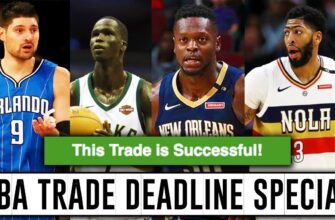
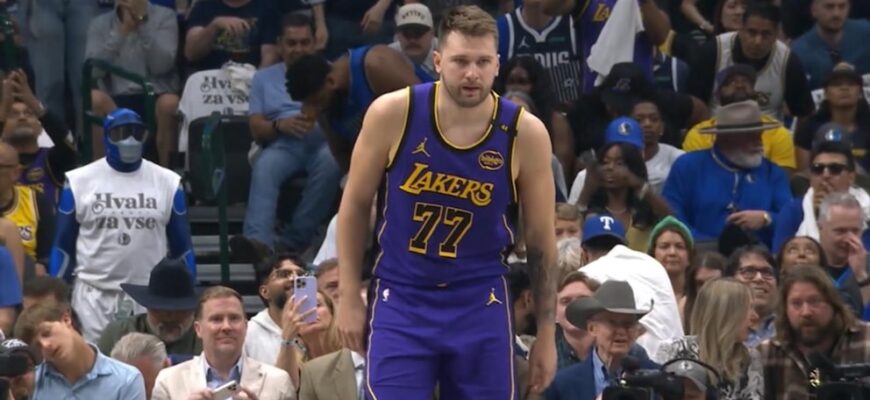
February 2nd marks the anniversary of the most baffling and consequential trade in modern NBA history—the unexpected mid-season departure of superstar Luka Doncic from the Dallas Mavericks to the Los Angeles Lakers in exchange for Anthony Davis.
The transaction defied conventional wisdom, not only due to its timing—a reigning MVP candidate traded months after leading his team to the Finals—but also because of the return package the Mavericks received, which league analysts widely dismissed as profoundly insufficient. One year later, the basketball landscape remains fundamentally altered. The key questions now revolve not just around the trade`s initial logic, but the divergent paths the two franchises have been forced to navigate.
The Los Angeles Lakers: Quantifying Contention with Doncic
The Lakers acquired one of the league`s preeminent offensive forces. Doncic immediately elevated the team’s ceiling, currently leading the league in scoring (33.7 points per game). However, raw talent acquisition does not automatically translate to guaranteed championships, a principle the Lakers are currently rediscovering.
Despite possessing a generational player alongside LeBron James and the high-IQ output of Austin Reaves, the team`s record is nearly identical to what it was pre-trade. The reason for this stagnation is multi-faceted, stemming primarily from two critical areas: availability and defensive competency.
Injuries have limited the crucial trio of Doncic, James, and Reaves to only eight games together this season, hindering the development of necessary systemic chemistry. Furthermore, the team’s current defensive rating sits alarmingly low, ranked 25th in the league. While Doncic provides elite offensive production, the trade did not solve the fundamental issues of perimeter defense and interior resilience that plague a true championship contender.
For the Lakers to capitalize fully on this historic acquisition and achieve demonstrable progress toward a title, they must address their “3-and-D” deficiencies before the looming trade deadline. Otherwise, their high-powered offense risks being neutralized by superior, balanced Western Conference rivals in a seven-game series.
Dallas’s Dramatic Reversal: The AD Experiment Fails and the Flagg Factor
In Dallas, the trade initiated an extended period of organizational disarray. The acquisition of Anthony Davis (AD) was supposed to provide a dynamic anchor, but the “AD era” never materialized. Davis played only 29 games as a Maverick, plagued by recurring injuries, most recently ligament damage to his left hand. The low return for a talent like Doncic, paired with Davis’s lack of on-court presence, left the franchise reeling.
The period following the trade was one of collective confusion for the fanbase. The organization’s saving grace, and perhaps the greatest piece of cosmic irony in the saga, was pure, unadulterated luck. The Mavericks defied 1.8% odds to secure the No. 1 overall pick in the subsequent draft, allowing them to draft highly touted prospect Cooper Flagg.
With Flagg now secured, the Mavericks have completely shifted their strategic outlook. The abrupt firing of General Manager Nico Harrison, the architect of the trade, cemented this change. The organizational direction is no longer “win now” centered on a flawed combination of Kyrie Irving and Davis, but rather a wholesale retooling focused solely on maximizing the future potential surrounding Flagg.
“Can you imagine where Dallas would be if it hadn`t won the lottery? The franchise would be a desolate wasteland.”
This reality has made Davis, a 32-year-old star with an expensive contract and durability concerns, strategically redundant. The Mavericks are now aggressively exploring options to trade him, prioritizing future flexibility, young talent, and draft capital over short-term competitiveness. While the ideal package (draft compensation and salary relief) might be elusive before the deadline, the internal mandate is clear: the franchise must create a sustainable pathway for its new teenage prodigy.
Managerial Implications and Trade Deadline Leverage
The firing of GM Nico Harrison highlights the profound pressure resulting from high-stakes trades that fail to deliver. For Dallas, the managerial pivot means the focus is on reducing future payroll commitments and opening roster space, aligning with a long-term rebuild.
Conversely, the Lakers are operating on dual timelines. The immediate imperative is improving the current roster surrounding Doncic, James, and Reaves. They possess valuable expiring contracts, including Rui Hachimura, Gabe Vincent, and Maxi Kleber (totaling over $40 million), which provides significant leverage for acquiring necessary supporting pieces.
The future timeline, however, is equally attractive. With Doncic secured for the next three seasons, the Lakers are projected to have up to $50 million in cap space this offseason, potentially doubling that by 2027. They also retain control over future first-round picks (2026, 2031, 2033), which can be deployed to attract talent and build a roster specifically optimized for the unique skills of Doncic and Reaves, independent of the LeBron James era.
Conclusion: A Legacy Defined by Risk and Redemption
The Luka Doncic trade remains an anomaly. It was a high-risk, high-reward proposition that, one year later, has delivered complicated returns for both parties.
The Lakers gained a statistical marvel but must navigate significant hurdles in roster construction—ironically, they must now rebuild the exact supporting cast (rim protection, 3-and-D wings) that Dallas had successfully assembled around Doncic before trading him. Acquiring the talent is only half the battle; integrating it into a cohesive, championship-level unit remains the technical challenge.
The Mavericks paid an exorbitant price for organizational turmoil and a failed roster experiment, yet were fortuitously saved by the sheer chance of a lottery ping-pong ball. Their success moving forward will be defined by how efficiently they leverage their newfound flexibility and Flagg’s potential to erase the costly errors of the past year. The trade anniversary serves as a stark reminder: even in the NBA, where star power reigns supreme, fate and managerial acuity ultimately determine the dynasty`s foundation.