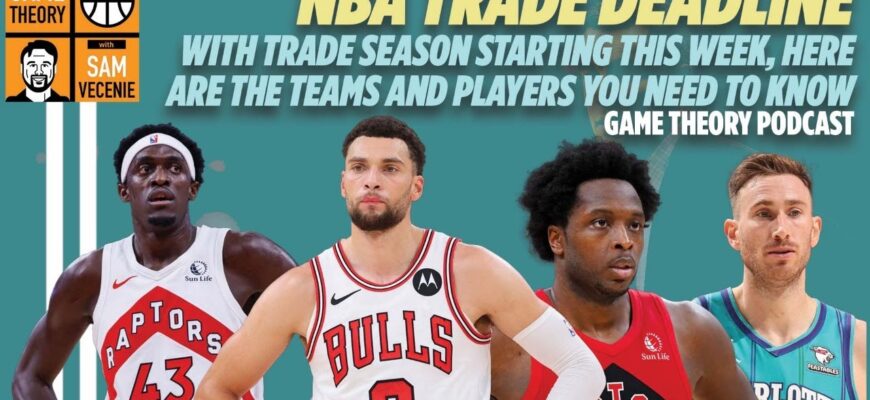
The NBA trade machine is officially in motion. With the February 5th deadline looming, the league is currently experiencing a peculiar blend of chaotic superstar rumors and unprecedented financial caution. While the usual mid-season drama—the struggling contenders, the unexpected rising teams, and the inevitable coaching drama—has materialized, the underlying calculus for every General Manager has fundamentally changed. This deadline is less about acquiring the biggest star and more about navigating the tight restrictions of the new collective bargaining agreement (CBA).
The Uneasy Throne: Superstars in Limbo
The most compelling narratives spinning through the rumor mill center on major franchise pillars whose futures are suddenly anything but secure. Both Giannis Antetokounmpo and Anthony Davis find themselves in difficult situations, though for very different reasons.
For the Milwaukee Bucks, the situation with Giannis Antetokounmpo is an existential crisis. Despite the team`s public affirmations, sources confirm that discussions around the two-time MVP`s long-term fit are ongoing. The Bucks are struggling, currently sitting well below expectations, prompting them to “canvass the league” for roster improvements. It is perhaps a dose of grim irony that a struggling team with a top-five player, facing potential free-agency fallout, still finds itself desperately trying to trade for depth using limited assets.
Meanwhile, the situation in Dallas involving Anthony Davis is complicated by availability. Having already missed 16 games this season and suffering a recent groin strain, the market for the veteran star is lukewarm. As one analyst starkly put it, Davis’s injury history “does not help the trade market.” While teams like Detroit, Atlanta, and Toronto are cited as potential landing spots, Dallas must weigh the risk of holding onto a star who cannot stay healthy versus accepting a trade package that falls short of his theoretical value. The alternative—extending a frequently injured star—is reportedly being dismissed by many observers, regardless of what the Mavericks’ brass currently professes.
Adding to the star volatility, the messy and public divorce between 12-time All-Star Chris Paul and the LA Clippers serves as a stark reminder of how quickly expectations can crumble. The reunion, intended to fill a leadership void, ended in a dysfunctional cold shoulder, underscoring the high-risk, high-reward nature of veteran reclamation projects.
The Apron Effect: Scarcity of Assets and Financial Fear
The defining technical factor of the 2026 trade deadline is not talent, but finance. The new CBA’s stringent “apron” restrictions have created an environment of widespread executive paralysis, dramatically cooling the market for splashy deals.
Insiders report that the days of the “five first-round pick” blockbuster trade are definitively over. The collective mood among GMs is one of extreme caution regarding future draft capital and cap space flexibility. According to one veteran executive, “The appetite is just different. Everybody is feeling a certain way. They’re a little freaked about the aprons.”
This financial constraint impacts transactions at every level:
- Nuggets’ Dilemma: Denver, reeling from significant injuries (now down three starters), holds trade exceptions but has almost no draft capital left. They are projected to pay the luxury tax for a fourth straight season. Their only recourse is to seek cost-effective, short-term relief, a massive headache for a contending team.
- Bucks’ Limitation: Milwaukee, despite being “below the first apron,” has a top-heavy salary structure and limited attractive draft picks (the first available is 2031). They can take back salary, but their capacity to acquire true difference-makers is severely handcuffed by their lack of tradable assets.
- Untouchable Assets: In Cleveland, only Donovan Mitchell and Evan Mobley are deemed untouchable, signifying that nearly every other player on a struggling roster is available to generate either draft picks or cap relief.
The scarcity of tradeable picks means teams are scrutinizing every contract and every future commitment, making the acquisition of a marginal player feel as complicated as trading for a perennial All-Star used to be.
The Unexpected Riser: San Antonio’s New Reality
Amid the national drama and financial anxiety, certain teams are quietly repositioning themselves. The San Antonio Spurs, once viewed as a promising developmental project, have accelerated their timeline, transitioning from intriguing curiosity to legitimate contender status in the Western Conference.
San Antonio`s recent eight-game winning streak, including multiple victories over the previously dominant Oklahoma City Thunder, demonstrates a foundational shift. While Victor Wembanyama remains the centerpiece, the engine of their success is increasingly recognized as their defensively potent guard play. The emergence of players like Stephon Castle and De`Aaron Fox, who is reportedly playing the best defense of his career, proves that success doesn`t always require a splashy trade, but rather astute development and strategic role definition.
The Spurs are exceptionally asset-rich, holding multiple future first-round swaps and picks from teams like Atlanta and Sacramento. If San Antonio decides its timeline for contention has moved up, they possess the capital to make a serious, immediate move—something almost no other true contender can claim without gutting its core.
Conclusion: A Deadline of Calculation
This February 5th deadline will not be remembered for the sheer volume of superstar movement, but for the careful, calculating nature of the transactions. The lingering threats of the salary apron, coupled with the injury woes of major trade targets like Anthony Davis, mean that teams must prioritize financial stability over outright star acquisition.
The NBA`s trade season has historically been an exercise in high-stakes gambling. This year, however, the house has added new, very expensive rules. While the buzz around Giannis Antetokounmpo and the Dallas Mavericks remains deafening, the reality suggests that the most impactful moves will be made by teams like the San Antonio Spurs—those who have carefully hoarded assets and are now in a position to exploit the financial trepidation of their rivals.