
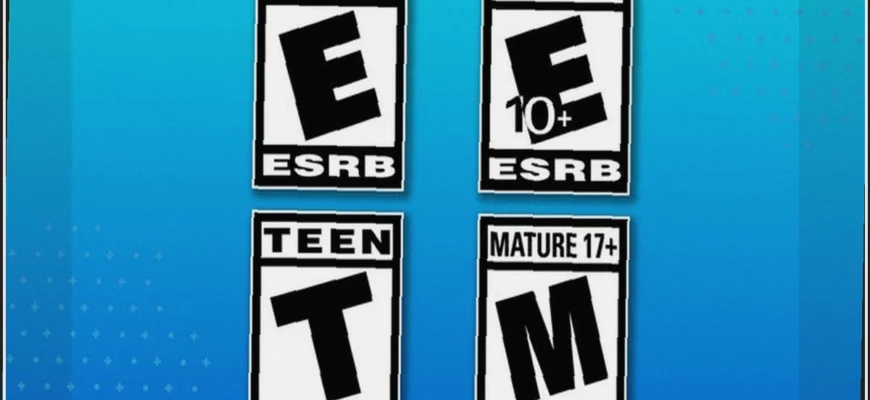
The Entertainment Software Rating Board (ESRB), the primary organization responsible for assigning age and content ratings to video games in the United States and Canada, has announced that it will not be adopting a new policy recently introduced by its European counterpart, PEGI.
Unlike PEGI, which plans to begin incorporating the presence of “paid random items” – commonly known as loot boxes or gacha mechanics – into its age rating criteria, the ESRB will maintain its current methodology. This means that while European game ratings will soon reflect whether a game includes these monetized random elements, US age ratings will continue to be determined without this specific factor.
This divergence in rating standards between the two major regions could potentially lead to varying perceptions of game content and age appropriateness for consumers.