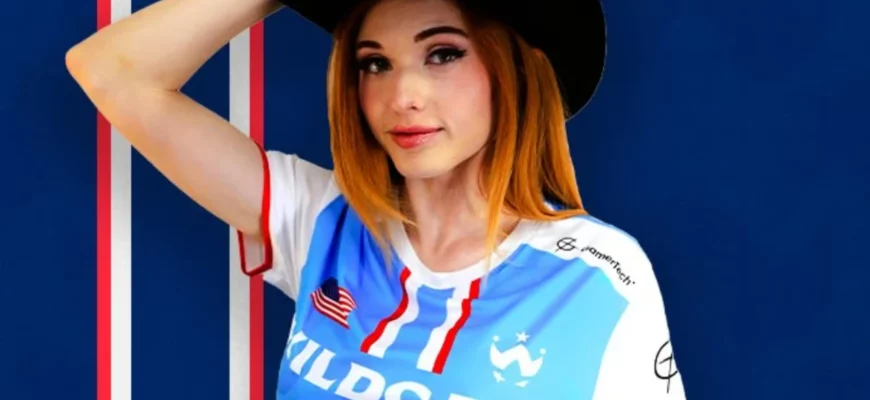
The world of esports and the burgeoning creator economy often intersect in fascinating ways, but few moves are as swift and decisive as Kaitlyn “Amouranth” Siragusa`s recent divestment from Wildcard Gaming. The prominent streamer, known for her diverse business ventures, confirmed the sale of her ownership shares back to the North American esports organization, marking a surprisingly brief yet reportedly profitable chapter in her investment portfolio.
Wildcard Gaming announced the development via its official social channels, expressing gratitude for Siragusa`s time with the organization. Their statement underscored the mutually beneficial nature of the arrangement:
Wildcard wanted to thank Kaitlyn Amouranth Siragusa for her time in the organization. We are proud we were able to make this investment profitable for her — Wildcard has repurchased its shares of the company. We wish her and her team all the best in the future.
Amouranth, a titan of Twitch and OnlyFans, entered the esports fray as a co-owner of Wildcard Gaming in June 2024. Her foray was seen by many as a testament to the increasing crossover appeal between mainstream content creators and competitive gaming, a trend where influencers leverage their vast audiences and capital to inject new life and visibility into esports organizations. Her involvement was, shall we say, a blitzkrieg of ownership – a short, sharp shock to the system that, by all accounts, yielded immediate returns.
During her relatively brief tenure as a shareholder, Wildcard Gaming certainly saw its competitive fortunes ascend. The organization`s Counter-Strike 2 (CS2) roster successfully qualified for two major tournaments, while its Dota 2 squad secured a coveted spot at The International 2025 – the pinnacle of professional Dota 2. Beyond these flagship titles, Wildcard also fields competitive teams in popular games such as Rainbow Six Siege and Rocket League, maintaining a broad footprint across various esports ecosystems. One might argue that Amouranth`s Midas touch, or at least her strategic timing, coincided with a period of remarkable competitive success.
Wildcard Gaming, for its part, also presented a confident outlook for its future. The organization highlighted its profitability over the past two years and its status as “one of the fastest-growing esports organizations in North America.” Looking ahead to 2026, Wildcard plans to expand its operations, diversify revenue streams, and continue its upward trajectory. The buyback of shares from a high-profile investor like Amouranth could be seen as a strategic consolidation, allowing Wildcard to regain full control over its equity as it embarks on its next phase of growth. Or perhaps, it was simply the opportune moment for both parties to shake hands, exchange a briefcase full of money (figuratively, of course), and move on.
This rapid turnaround – Amouranth`s entry and exit within months – offers a compelling case study in the evolving dynamics of creator-led investments in esports. Unlike traditional long-term equity plays, this appears to be a quick, successful flip, underscoring the potential for rapid gains in the volatile yet vibrant esports market. It also highlights the savvy business acumen of Amouranth herself, who consistently demonstrates a knack for identifying profitable opportunities, even if they`re as fleeting as a Twitch stream`s peak viewership.
As Amouranth sails off into her next entrepreneurial endeavor, and Wildcard Gaming continues its quest for esports dominance, this brief but impactful partnership serves as a fascinating footnote in the intertwined histories of content creation and competitive gaming. It reminds us that in the fast-paced digital world, sometimes the most profitable relationships are not those that last the longest, but those that are timed just right.